
Society & sport · International organizations
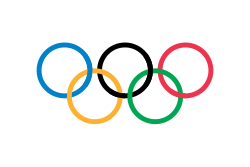 International Olympic Committee IOC 国際オリンピック委員会
こくさいオリンピックいいんかい
The IOC is the non-governmental body that leads the Olympic Movement and chooses the hosts of the Summer and Winter Games. It was founded in 1894 on the initiative of Pierre de Coubertin and is based in Lausanne, Switzerland.
- Founded
- 23 June 1894 (Paris)
- Headquarters
- Lausanne, Switzerland
- Members
- Over 200 National Olympic Committees
Goals and activities
The IOC ensures the regular celebration of the Games, recognizes international federations and National Olympic Committees, fights doping (with WADA) and promotes Olympic values. Its main income is broadcasting rights and sponsorship.
History
The IOC was founded in Paris in 1894, and the first modern Olympics were held in Athens in 1896. The Winter Games began in 1924. The five rings represent the five continents.
Structure
The IOC is made up of individual members (not national delegates). The IOC Session elects the President for an eight-year term and chooses host cities; the Executive Board runs day-to-day affairs. Kirsty Coventry of Zimbabwe is the first woman and first African to hold the presidency.
Vietnam and the IOC
The Vietnam Olympic Committee was recognized by the IOC in 1979, and Vietnam competed at Moscow 1980. Its first Olympic medal was Trần Hiếu Ngân's taekwondo silver at Sydney 2000; its first gold was won by shooter Hoàng Xuân Vinh at Rio 2016.
Japan and the IOC
Japan was the first Asian country to host the Olympics (Tokyo 1964). It also hosted the Winter Games at Sapporo 1972 and Nagano 1998, and Tokyo 2020, held in 2021 because of COVID-19. Kanō Jigorō, founder of judo, became the first Asian IOC member in 1909.
Vocabulary corner
Words: オリンピック / 五輪 (Olympics), 夏季 / 冬季 (summer / winter), 金メダル (gold medal), 開催地 (host city), 聖火 (Olympic flame), パラリンピック (Paralympics).
 International Federation of Association Football (FIFA)