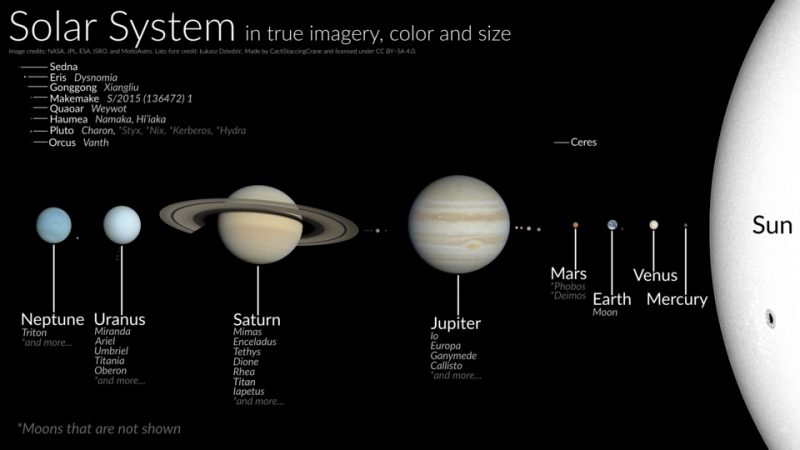
149,597,870,700 metres, the approximate mean distance from the Earth to the Sun (the semi-major axis of Earth's orbit), (symbol AU), used to measure distances in the solar system.noun
Any planet of the solar system or any exoplanet which is "Earth-like" in the sense that it is composed primarily of metals and rock, in contrast to a planet which is a gas giant.noun
Small fragments of dustlike material found in space; specifically, a type of cosmic dust that formed from cooling gases ejected from presolar stars, which was then incorporated into the cloud from which the Solar System condensed.noun
A distant cluster of stars resembling a cloud of dust, especially if the individual stars of which cannot be resolved with a telescope.noun
Something imaginary or lacking substance.noun
An imaginary magic dust or powder that, when in one's eyes, supposedly causes one to view a person or thing favourably, even though this might not actually be warranted.noun
The time that it takes for the Sun to return to the same position along the ecliptic, as viewed from the Earth, especially, completing a full cycle of seasons.noun
A vernal equinox year; the time between two successive vernal equinoxes.noun
The time it takes for any astronomical object (such as a planet, dwarf planet, small Solar System body, or comet) in direct orbit around a star (such as the Sun) to make one revolution around the star, taking into account orbital precession.noun
We use cookies to enhance your browsing experience and analyze site traffic. Learn more