
Ecology & evolution · Biology
Biodiversity 生物多様性
せいぶつたようせい
Biodiversity is the variety of life on Earth at three levels: genes, species and ecosystems. It provides food, medicines, clean air and many other benefits.
- International treaty
- Convention on Biological Diversity (1992)
- Red List
- IUCN
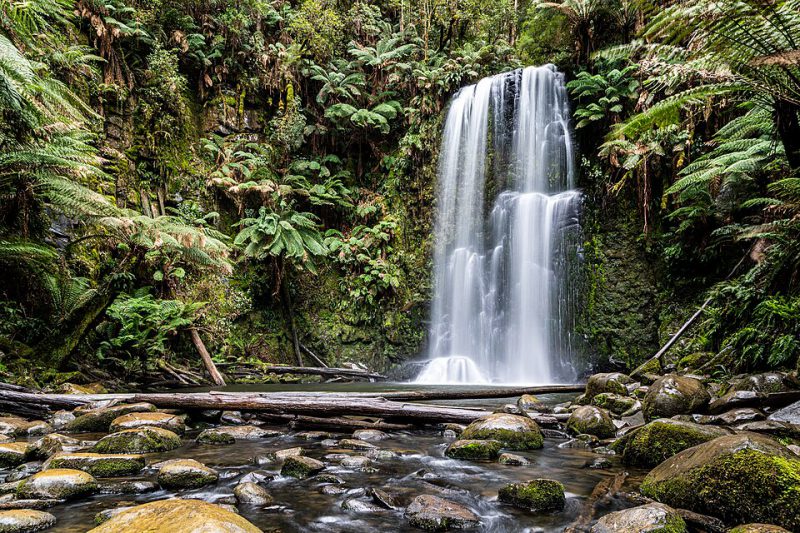
Three levels
Genetic diversity: different rice varieties within the same species. Species diversity: the number of species in an area. Ecosystem diversity: forests, seas, wetlands, mountains and more. Each level helps nature cope better with change.
Threats
Habitat loss from deforestation and urbanization, overexploitation, pollution, invasive species and climate change are the main causes of biodiversity loss. The IUCN Red List assesses the extinction risk of tens of thousands of species.
Vietnam and Japan
Vietnam is considered one of the world's biodiversity-rich countries, with many endemic species such as the saola, discovered in 1992. Japan also has many island endemics, like the Amami rabbit and the Iriomote cat, and hosted the COP10 biodiversity conference in Nagoya in 2010.
Japanese–English vocabulary
Terms used in this article: 生物多様性 (せいぶつたようせい) – biodiversity; 固有種 (こゆうしゅ) – endemic species; 絶滅危惧種 (ぜつめつきぐしゅ) – endangered species; 外来種 (がいらいしゅ) – alien species; 保全 (ほぜん) – conservation; 生息地 (せいそくち) – habitat.