跳到主要内容
首页 搜索 “Renaissance”
“Renaissance ”的结果
19 个词条 · 自动
EN
Renaissance 名词 the Renaissance 专有名词
百科词典 · 世界历史
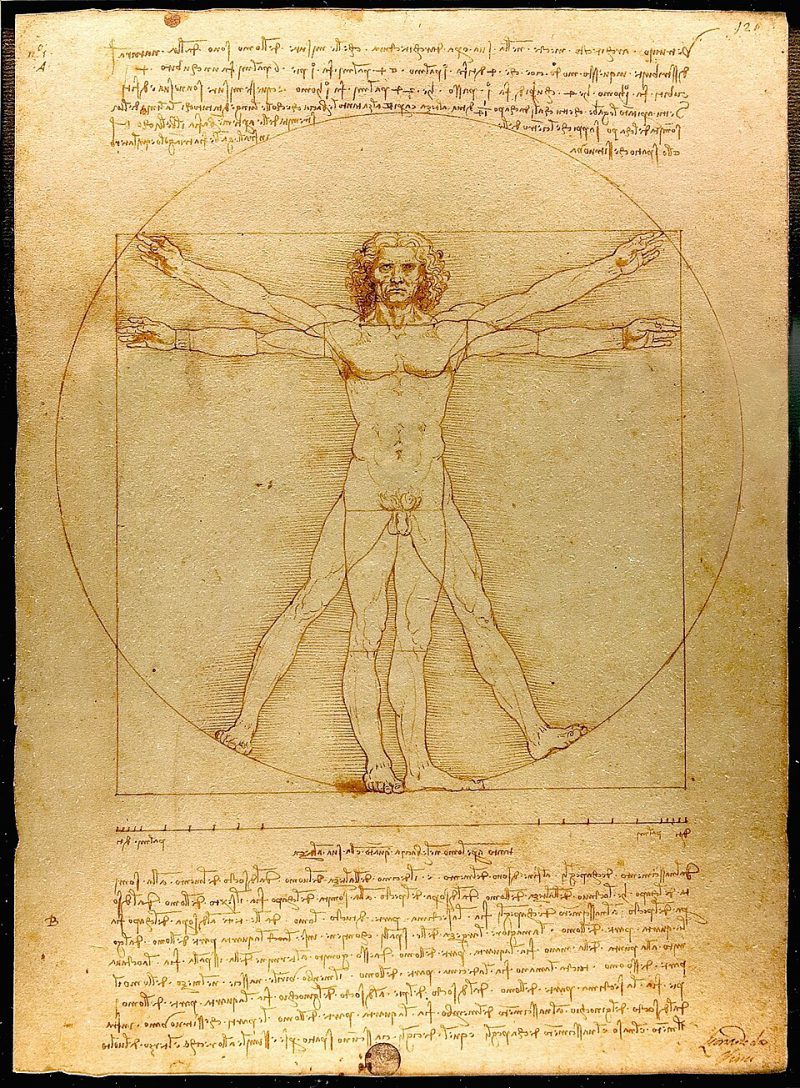
文艺复兴是14世纪始于意大利、到16世纪遍及欧洲的文化运动,它复兴了古希腊罗马的学问,在艺术和科学中颂扬人的潜能。
时期 14—16世纪
发源地 意大利佛罗伦萨
重要人物 列奥纳多·达·芬奇、米开朗琪罗、拉斐尔、伊拉斯谟 阅读百科文章 →
VI
Thời Phục Hưng. 专有名词 (thuộc) Thời kỳ phục hưng. い形容词
VI
Sự phục hưng. 名词 Thời Phục Hưng. 名词 (thuộc) Thời kỳ phục hưng. 形容词
VI
Số nhiều của renaissance 名词
VI
sự phục hồi, tái thiết, phục hưng 名词 · する动词 · 他动词
EN
revival; reconstruction; restoration; rebuilding; recovery; renaissance 名词 · する动词 · 他动词 reconstruct, restore 动词
EN
An early horn wind instrument used in European music of the medieval, Renaissance, and Baroque periods. Not to be confused with later brass instrument. 名词
EN
Urban Renaissance Agency 名词
EN
the Italian renaissance 名词
EN
generalist; renaissance man; multi-talented person; synthesist 名词
VI
thời hiện đại 名词 thời cận đại (Nhật: từ Minh Trị đến hết Thế chiến II) 名词
EN
present day; modern times; recent times 名词 early modern period (in Japan, usu. from the Meiji Restoration until the end of World War II) 名词
EN
A cabinet of scientific curiosities, especially during the late Renaissance. 名词 A place where a collection of curiosities and rarities is exhibited. 名词
EN
A short sword with a heavy blade developed in northeastern Italy during the Renaissance, often richly ornamented. 名词
EN
A two-handed sword primarily of Renaissance Germany, up to a fathom in length, invented in the 14th century. 名词
EN
A representation, especially in Renaissance or Baroque art, of a small, naked, often winged (usually male) child; a cherub. 名词
EN
A light one-handed sword, designed for thrusting, which evolved out of the longer and heavier rapier of the late Renaissance. 名词
EN
Any type of sword that is comparatively long; depending on context, applied to swords of the Bronze Age, Migration period, Viking Age and Renaissance era. 名词 A European sword with a long, straight double-edged blade, a cruciform hilt, and a grip for two-handed use; prevalent from the 14th to 16th centuries. 名词
EN
Raphael (Italian Renaissance painter) 专有名词
EN
alternative form of ルネサンス (Runesansu, “Renaissance”) 专有名词
我们使用 Cookie 来改善您的浏览体验并分析网站流量。了解更多
同意