
Middle Ages · World history
Age of Discovery 大航海時代
だいこうかいじだい
The Age of Discovery (15th–17th centuries) was the era when European navigators found new sea routes to Asia and the Americas, connecting continents but also opening the age of colonialism.
- Leading powers
- Portugal, Spain
- Navigators
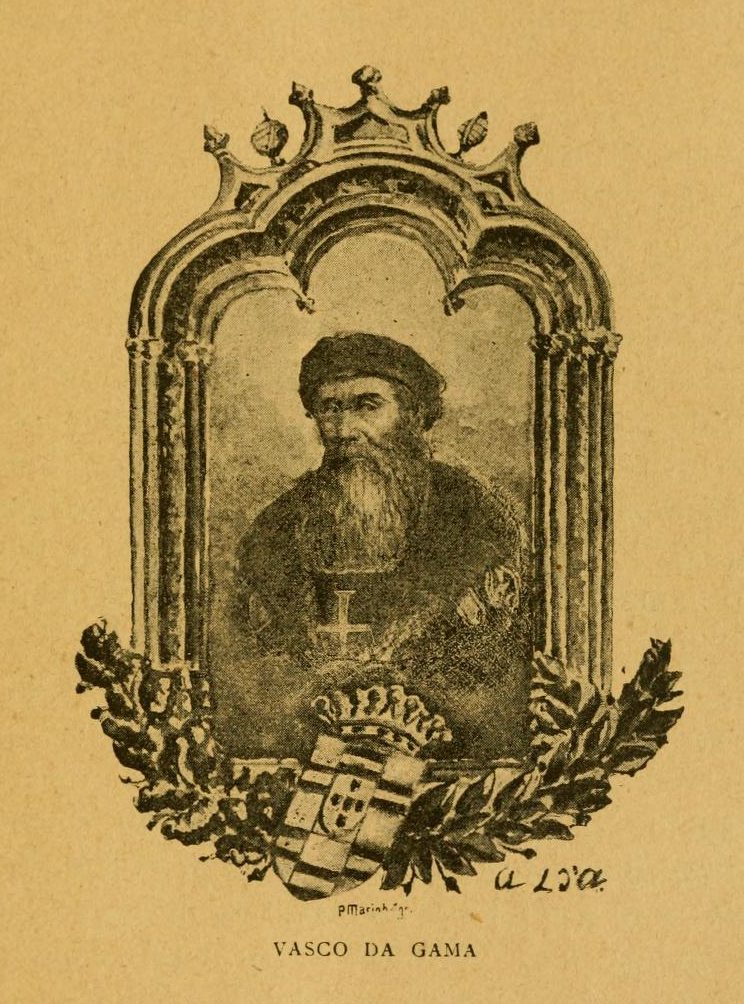
- Bartolomeu Dias, Columbus, Vasco da Gama, Magellan
- Key technology
- Compass, caravel ships, sea charts
Why sail?
Pepper, cinnamon and other Asian spices were very expensive in Europe, but routes through the Middle East were controlled by middlemen. European states wanted direct sea routes to Asia, and also sought to spread Christianity and find gold and silver.
The compass, caravels able to sail into the wind and ever more accurate sea charts made long ocean voyages possible.
The great voyages
In 1488 Bartolomeu Dias rounded the Cape of Good Hope at Africa's southern tip. In 1492 Columbus, sponsored by Spain, sailed west and reached the Caribbean, though he believed he had reached Asia. In 1498 Vasco da Gama reached Calicut, India, by sea.
Magellan's fleet left Spain in 1519 and completed the first circumnavigation in 1522, though Magellan himself was killed in the Philippines in 1521. In 1543 the Portuguese reached Tanegashima in Japan, bringing firearms.
Consequences
The transatlantic transfer known as the "Columbian Exchange" brought maize, potatoes and tomatoes to the Old World and horses and wheat to the Americas. Europe's commercial center shifted from the Mediterranean to the Atlantic.
At the same time the Aztec and Inca civilizations were conquered, European diseases such as smallpox devastated Indigenous Americans, and the transatlantic slave trade carried millions of Africans to the Americas. Many historians therefore prefer more neutral terms than simply "discovery".
Japanese – English terms
大航海時代 (だいこうかいじだい): Age of Discovery; 新航路 (しんこうろ): new sea route; 香辛料 (こうしんりょう): spices; 羅針盤 (らしんばん): compass; 世界一周 (せかいいっしゅう): circumnavigation; 植民地 (しょくみんち): colony.