
Middle Ages · World history
The Renaissance ルネサンス
るねさんす
The Renaissance was a cultural movement that began in Italy in the 14th century and spread across Europe by the 16th, reviving Greek and Roman learning and celebrating human potential in art and science.
- Origin
- Florence, Italy
- Key figures
- Leonardo da Vinci, Michelangelo, Raphael, Erasmus
- Related invention
- Gutenberg's movable-type press (c. 1450)
What was "reborn"?
"Renaissance" is French for "rebirth". Scholars sought to revive classical Greek and Roman culture, which they felt had been neglected in the Middle Ages. These humanists valued reason and human ability alongside faith.
Italian cities such as Florence and Venice grew rich from trade, and families like the Medici sponsored artists, much like modern patrons. After Constantinople fell in 1453, Byzantine scholars brought Greek texts to Italy.
Art and science
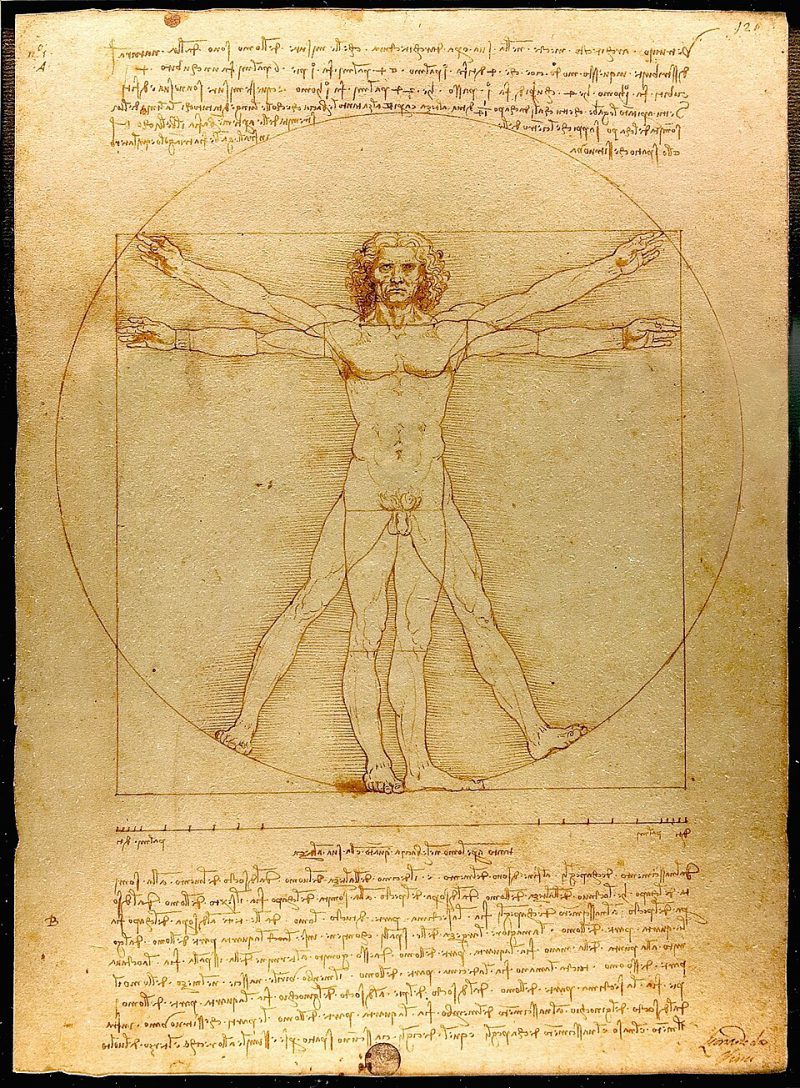
Painters used linear perspective to depict realistic three-dimensional space. Leonardo da Vinci painted the "Mona Lisa" and filled thousands of notebook pages on anatomy, flying machines and hydraulics. Michelangelo painted the Sistine Chapel ceiling and carved David.
Science changed too: in 1543 Copernicus published his heliocentric theory that Earth orbits the Sun, a starting point for the later Scientific Revolution.
Spread across Europe
Gutenberg's movable-type press (c. 1450) made books cheaper and more plentiful, spreading ideas quickly. In the north, Erasmus criticized the Church in his writing, and in England Shakespeare wrote famous plays in the late 16th century.
Some historians now consider the contrast between a "dark" Middle Ages and a "brilliant" Renaissance too simple, since the medieval period had many achievements. Still, the Renaissance is seen as a key transition to the modern era.
Japanese – English terms
ルネサンス (るねさんす): Renaissance; 人文主義 (じんぶんしゅぎ): humanism; 遠近法 (えんきんほう): perspective; 活版印刷 (かっぱんいんさつ): movable-type printing; 地動説 (ちどうせつ): heliocentrism; 古典 (こてん): classics.