
Cells & genetics · Biology
CRISPR gene editing ゲノム編集
げのむへんしゅう
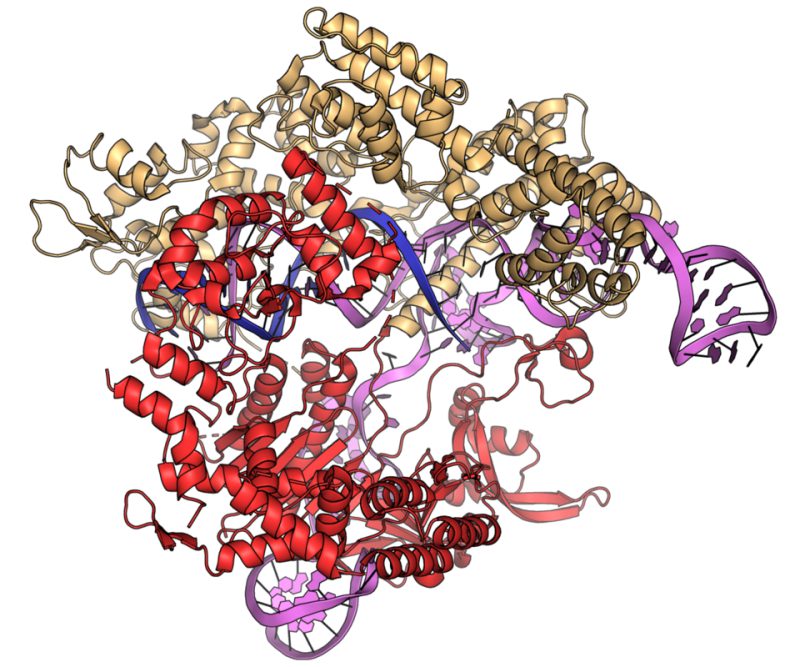
CRISPR-Cas9 is a gene-editing tool that cuts and edits DNA at a chosen site, much like "find and replace" in a word processor.
- Developed by
- Jennifer Doudna and Emmanuelle Charpentier (2012)
- Award
- Nobel Prize in Chemistry 2020
Origins in bacteria
CRISPR began as a bacterial immune system: bacteria store snippets of viral DNA and use Cas enzymes to cut the virus if it returns. Scientists turned this mechanism into a tool that works in many organisms.
How it works
A guide RNA is designed to match the target DNA sequence. It leads the Cas9 enzyme to the right spot to cut. As the cell repairs the cut, the gene can be disabled or replaced with a new sequence.
Uses and debates
CRISPR is used to breed crops, study diseases and develop gene therapies. Editing human embryos, however, raises major ethical debate, and many countries regulate it strictly.
Japanese–English vocabulary
Terms used in this article: ゲノム編集 (げのむへんしゅう) – genome editing; ガイドRNA (がいどあーるえぬえー) – guide RNA; 切断 (せつだん) – cleavage; 遺伝子治療 (いでんしちりょう) – gene therapy; 倫理 (りんり) – ethics.