
Mechanics & energy · Physics
Pressure 圧力
あつりょく
Pressure is force per unit area. It explains why sharp knives cut easily, why ships float and why your ears pop when diving or flying.
- SI unit
- Pascal (Pa) = 1 N/m²
- Atmospheric pressure
- About 101 kPa at sea level
- Related scientists
- Archimedes, Pascal, Torricelli
Force and area
Pressure is p = F / A. The same person exerts far more pressure on the floor in stiletto heels than in flat shoes. Knives are sharpened to shrink the blade area and raise pressure; tanks have wide tracks to lower pressure on soft ground.
Liquid and atmospheric pressure
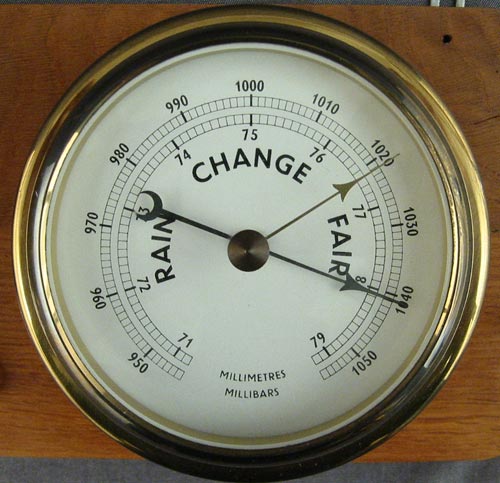
Water pressure grows with depth: roughly every 10 m of water adds about one atmosphere. Air has weight too, creating atmospheric pressure; it is what pushes drink up a straw.
Pascal's principle says pressure on an enclosed liquid is transmitted undiminished. Hydraulic jacks in garages use it to lift cars with a small force.
Buoyancy
An object in a fluid is pushed up by a force equal to the weight of fluid it displaces. A steel ship weighing thousands of tonnes floats because its hollow hull displaces a huge amount of water.
Japanese – English terms
圧力 (あつりょく) – pressure; 面積 (めんせき) – area; 水圧 (すいあつ) – water pressure; 大気圧 (たいきあつ) – atmospheric pressure; 浮力 (ふりょく) – buoyancy; パスカルの原理 (ぱすかるのげんり) – Pascal's principle.