
Tanro Encyclopedia
Physics
Forces and motion, energy, electromagnetism, light, relativity and quantum physics explained with everyday examples.
Mechanics & energy 8
 Motion, velocity and accelerationMechanics begins by describing motion: where an object is, how fast it moves and how its velocity changes. Th…
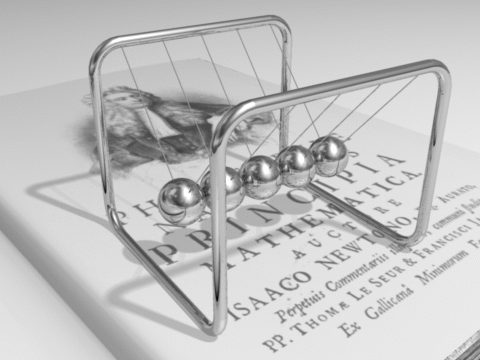 Newton's three laws of motionNewton's three laws (1687) explain why things move: objects keep their state without a force, force causes ac…
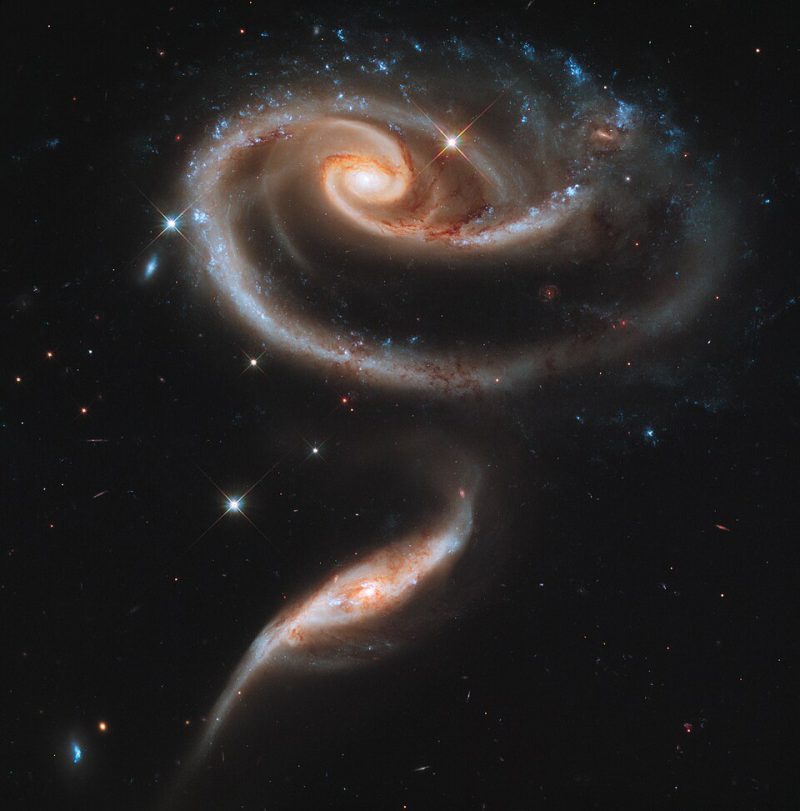 GravityGravity is the attraction between all objects with mass. It keeps us on the ground, the Moon around Earth and…
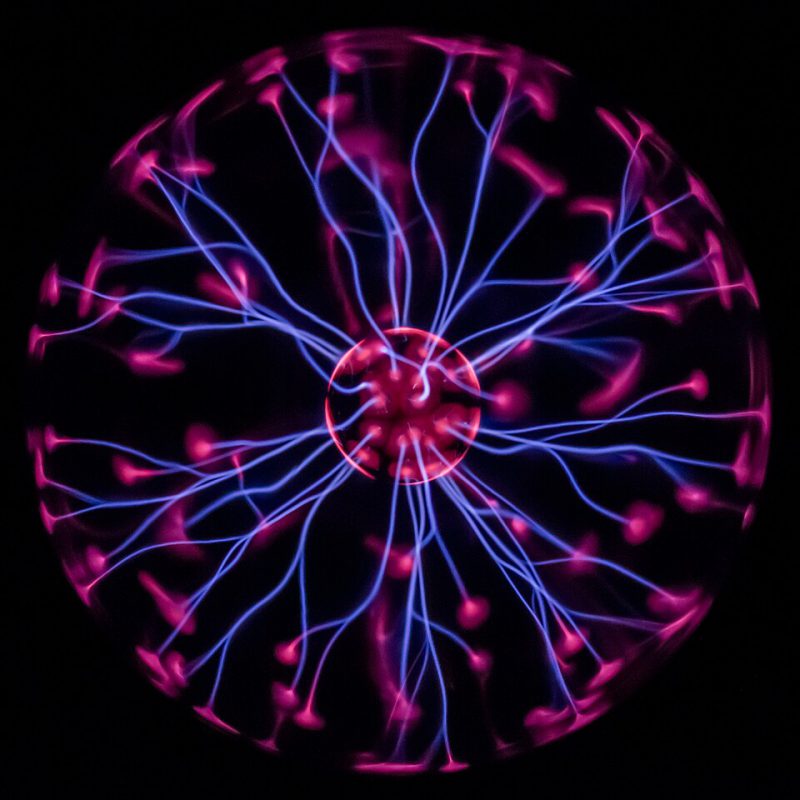 Energy and its conservationEnergy is the ability to do work. It exists in many forms (kinetic, potential, thermal, electrical, chemical)…
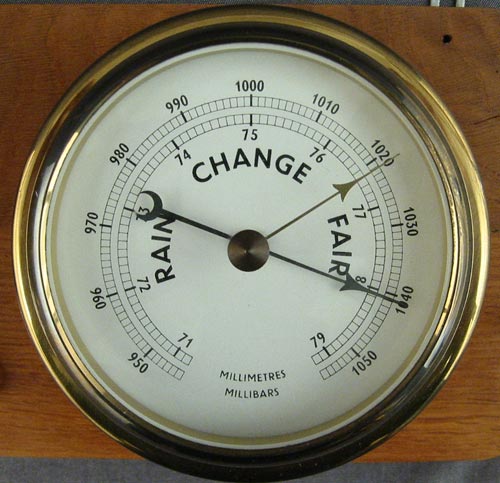 PressurePressure is force per unit area. It explains why sharp knives cut easily, why ships float and why your ears p…
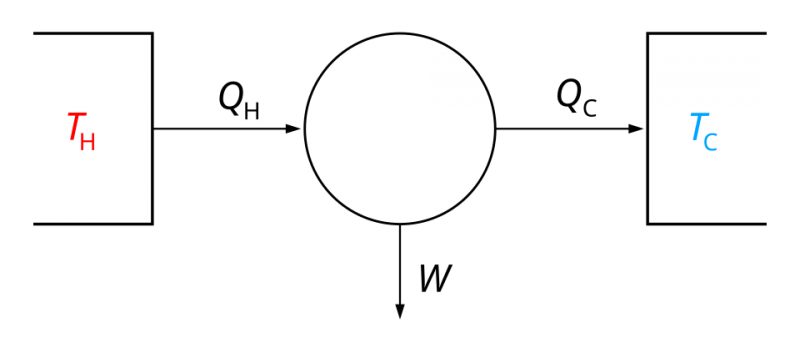 Temperature and thermodynamicsTemperature tells how hot or cold something is and reflects molecular motion. Thermodynamics studies how heat…
 Waves and soundA wave is a travelling disturbance that carries energy without carrying matter. Sound is a mechanical wave th…
 Momentum and collisionsMomentum is mass times velocity. In an isolated system total momentum is conserved, which explains collisions…
Electricity, magnetism & light 6
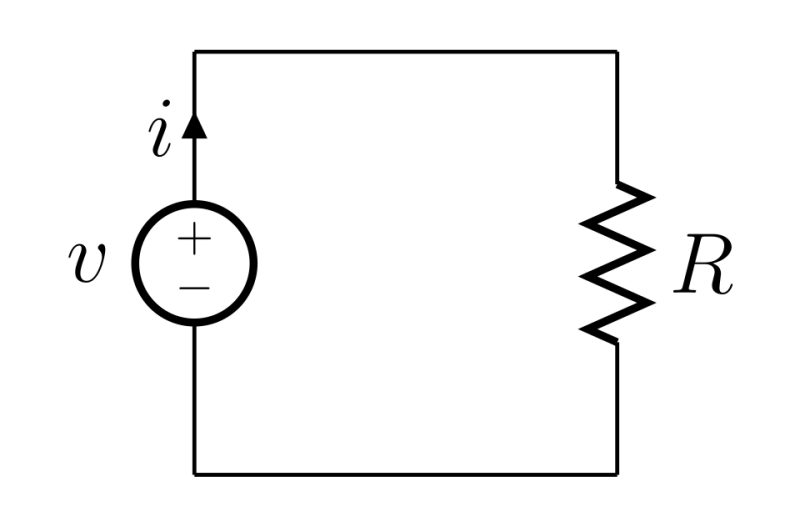 Electric currentElectric current is the directed flow of charge, usually electrons in a metal wire. Voltage drives it, resist…
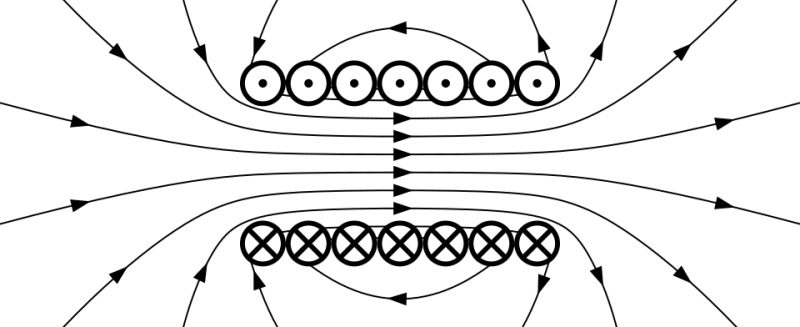 Magnetic fieldA magnetic field is the region around a magnet or current where magnetic forces act. It makes compasses point…
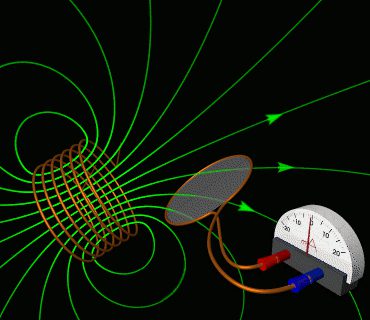 Electromagnetic inductionElectromagnetic induction is the generation of current by a changing magnetic flux. Faraday discovered it in …
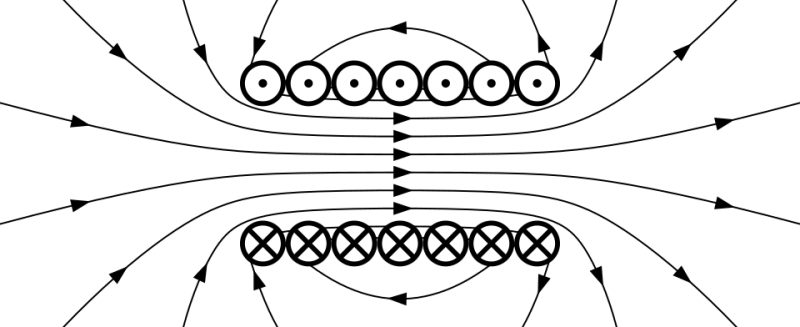 Electromagnetic wavesElectromagnetic waves are oscillating electric and magnetic fields travelling at the speed of light. Radio, m…
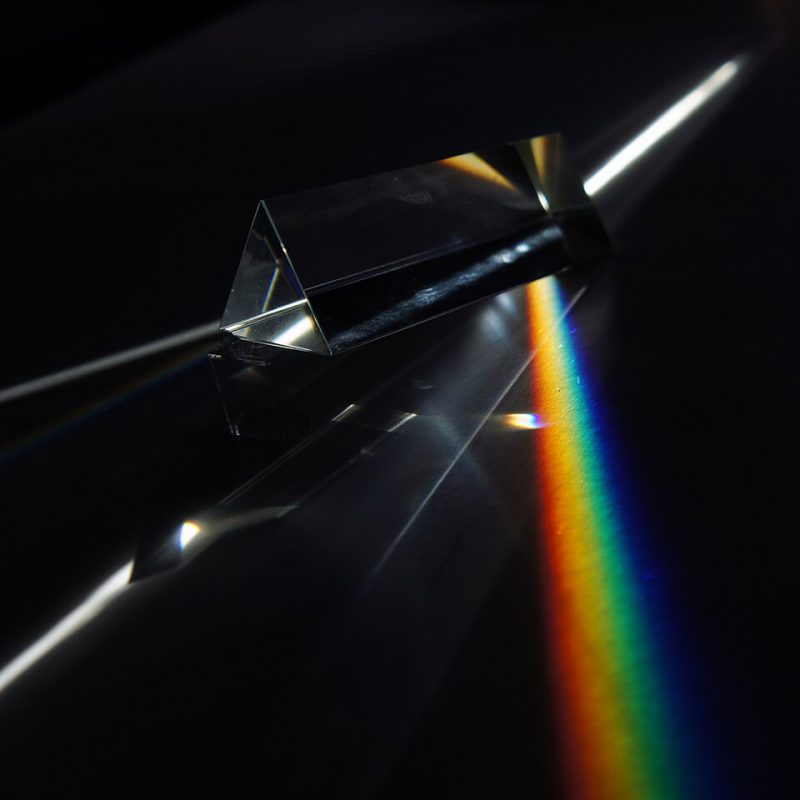 Light and colourLight is the part of the electromagnetic spectrum our eyes can see. It reflects, refracts and disperses into …
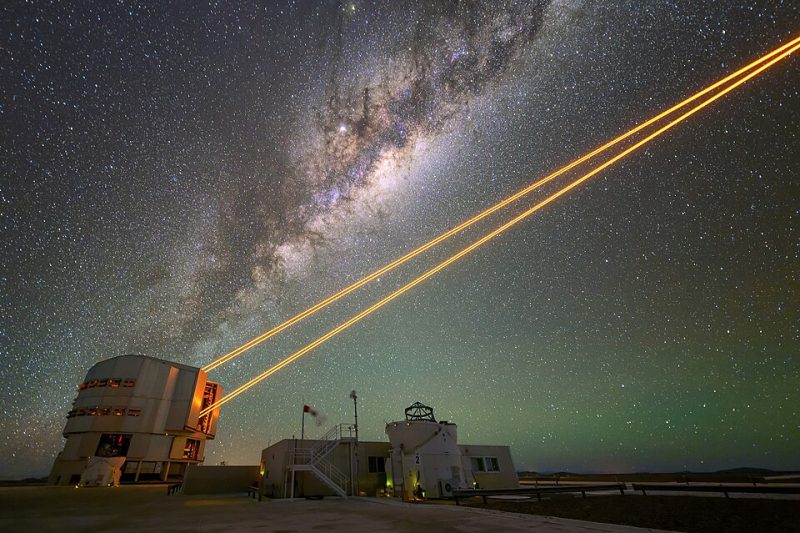 LaserA laser is a special light source producing a monochromatic, coherent and highly directional beam through sti…
Modern physics 6
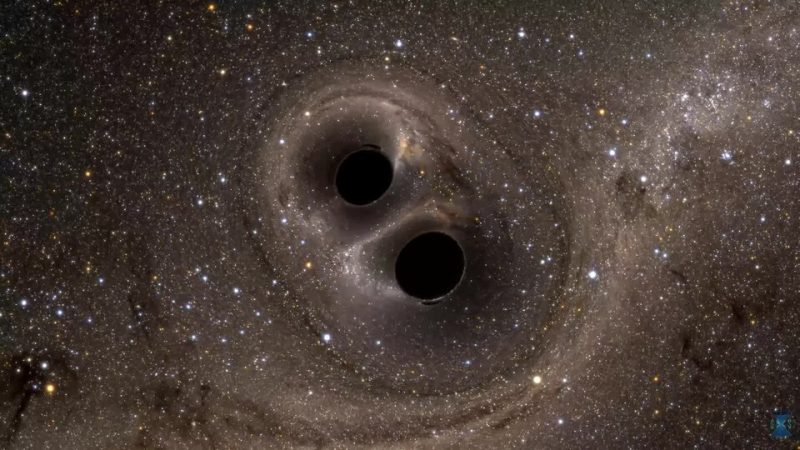 Theory of relativityEinstein's relativity comprises special relativity (1905) and general relativity (1915). It shows space and t…
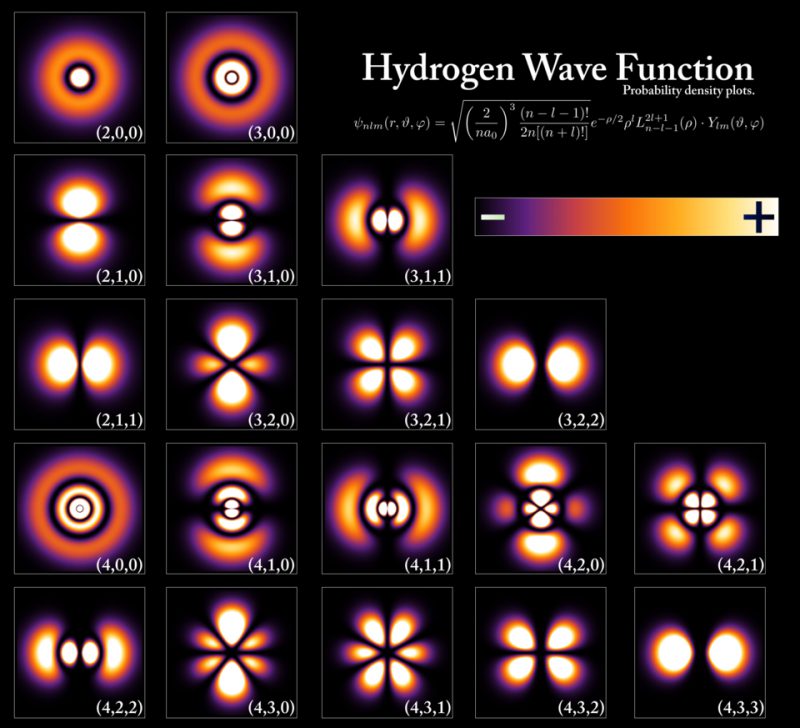 Quantum mechanicsQuantum mechanics describes the world of atoms and particles, where energy comes in small packets (quanta), p…
 Atoms and elementary particlesAll matter is made of atoms, consisting of a nucleus (protons and neutrons) and electrons. Deeper still, prot…
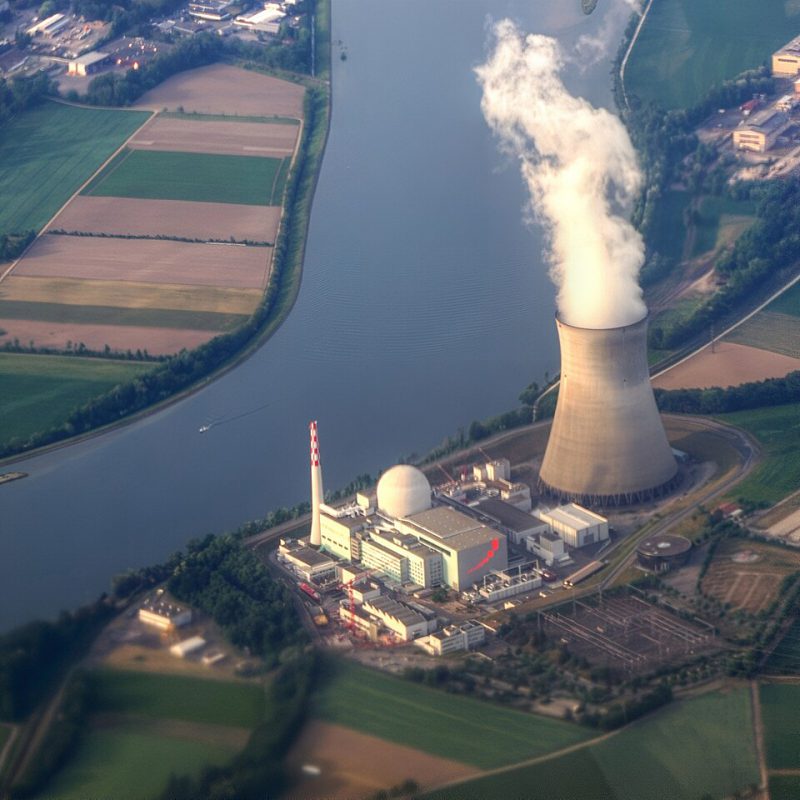 Nuclear energyNuclear energy is released when atomic nuclei change: heavy nuclei split (fission) or light nuclei join (fusi…
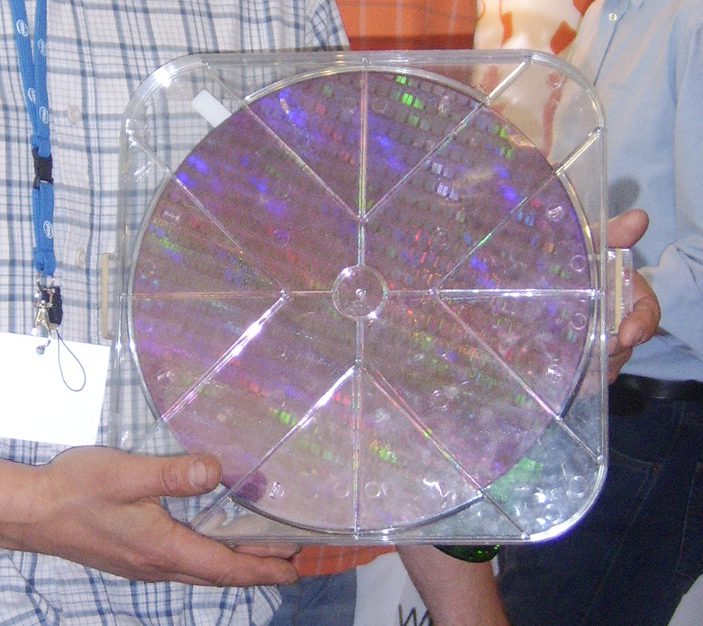 SemiconductorsSemiconductors such as silicon have conductivity between metals and insulators, and it can be controlled. The…
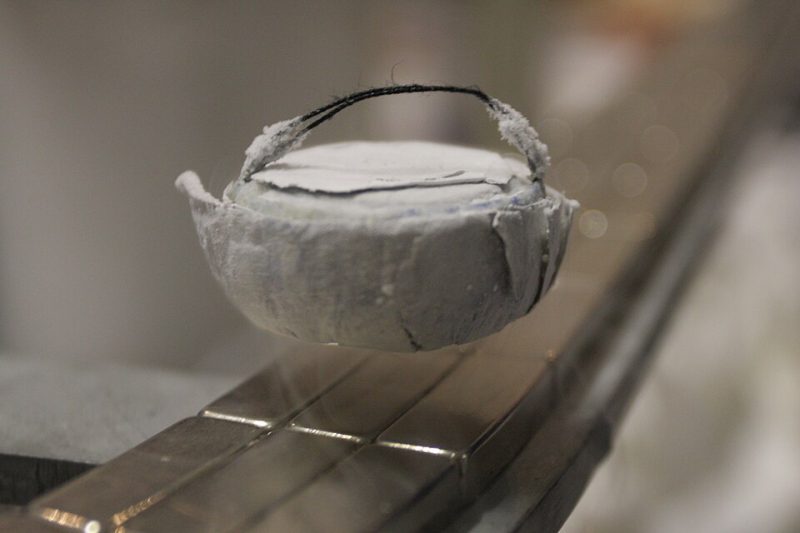 SuperconductivitySuperconductivity is the complete loss of electrical resistance in some materials cooled below a critical tem…