
The solar system · Earth & the universe
The Moon 月
つき
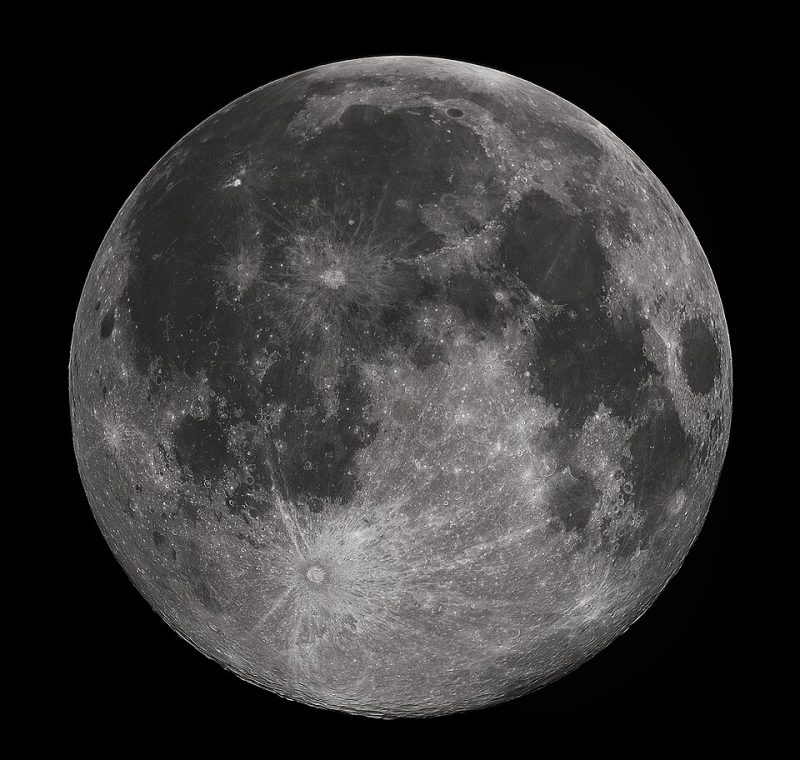
The Moon is Earth's only natural satellite. It always shows us the same face, goes through phases and helps raise the tides.
- Diameter
- About 3,475 km (about 1/4 of Earth)
- Phase cycle
- About 29.5 days
- First person on the Moon
- Neil Armstrong, 1969 (Apollo 11)
Why the Moon has phases
The Moon does not shine by itself; it reflects sunlight. As it orbits Earth, we see different portions of its lit side: new moon, crescent, quarter, full moon and back again. Lunar calendars are built on this cycle.
The same face toward Earth
The Moon spins once in exactly the time it takes to orbit Earth, so we always see the same side. This is called synchronous rotation; the far side was first photographed by spacecraft.
Effects on Earth
The Moon's gravity pulls on the oceans and, together with the Sun, causes daily tides. It also helps stabilise the tilt of Earth's axis, keeping the climate steadier.
Japanese – English terms
Vocabulary: 月 (つき) – Moon; 満月 (まんげつ) – full moon; 新月 (しんげつ) – new moon; 三日月 (みかづき) – crescent moon; 満ち欠け (みちかけ) – lunar phases; 潮汐 (ちょうせき) – tide.