
Tanro Encyclopedia
Earth & the universe
The solar system, planets, stars and galaxies, the Big Bang and black holes; Earth’s structure, earthquakes, volcanoes and climate.
The solar system 10
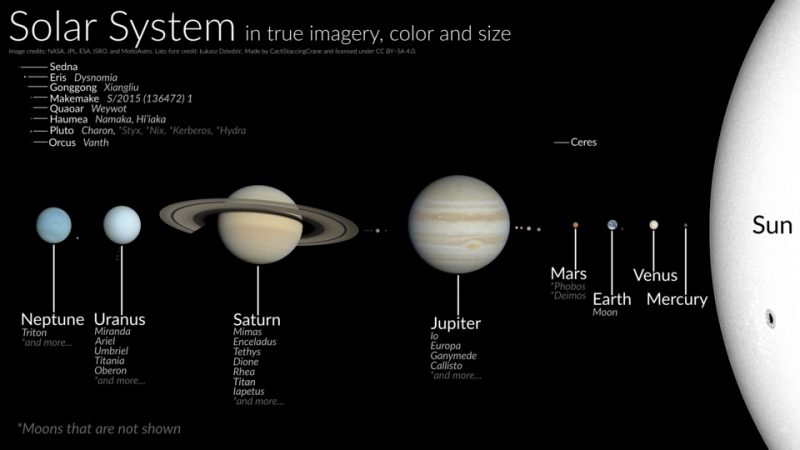 Solar SystemThe Solar System is the Sun and everything bound to it by gravity: eight planets, dwarf planets, moons, aster…
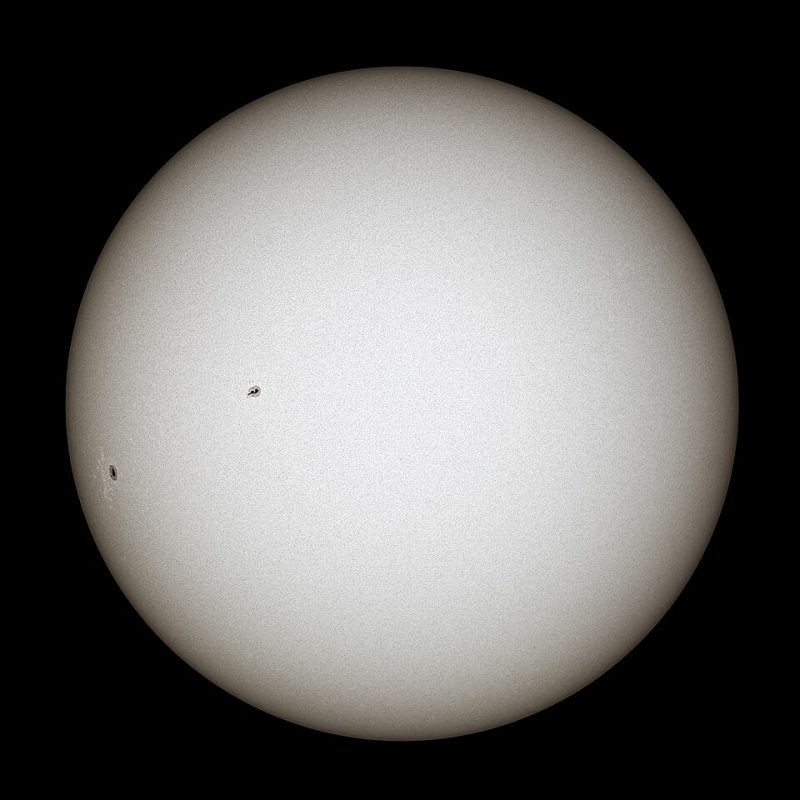 The SunThe Sun is the star nearest Earth, a ball of hot gas powered by nuclear fusion that supplies the light and he…
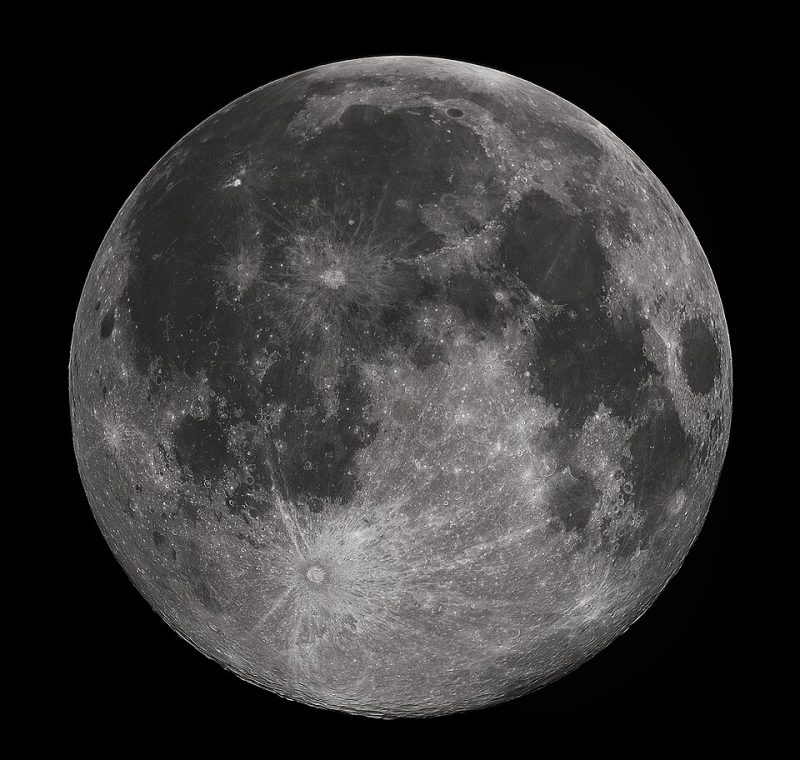 The MoonThe Moon is Earth's only natural satellite. It always shows us the same face, goes through phases and helps r…
 Mercury and VenusMercury and Venus orbit closer to the Sun than Earth. Mercury is the smallest planet; Venus is the hottest be…
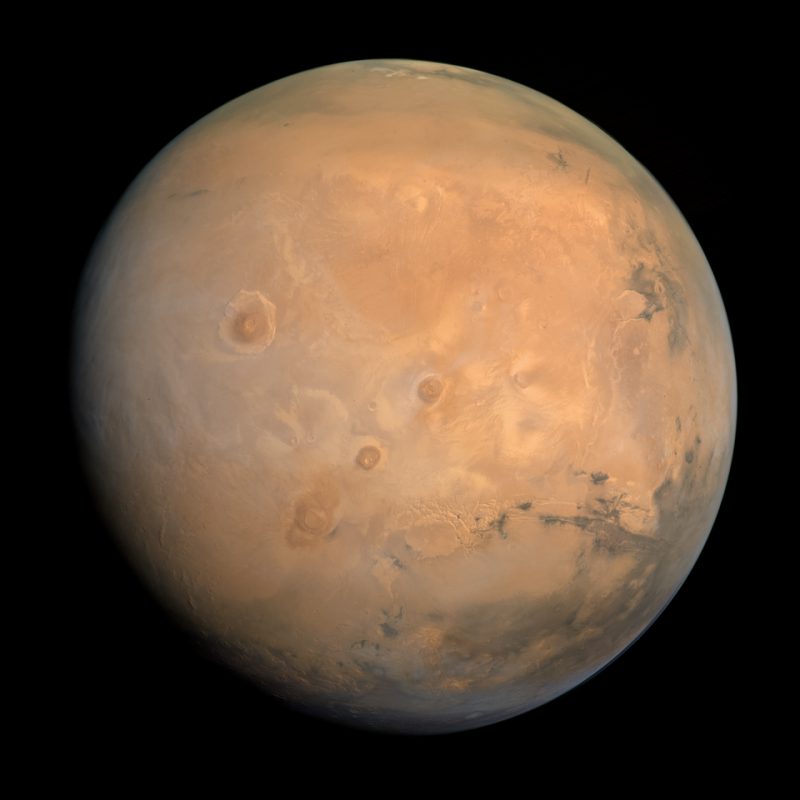 MarsMars, the red planet, is fourth from the Sun. It has the largest volcano in the Solar System and signs of pas…
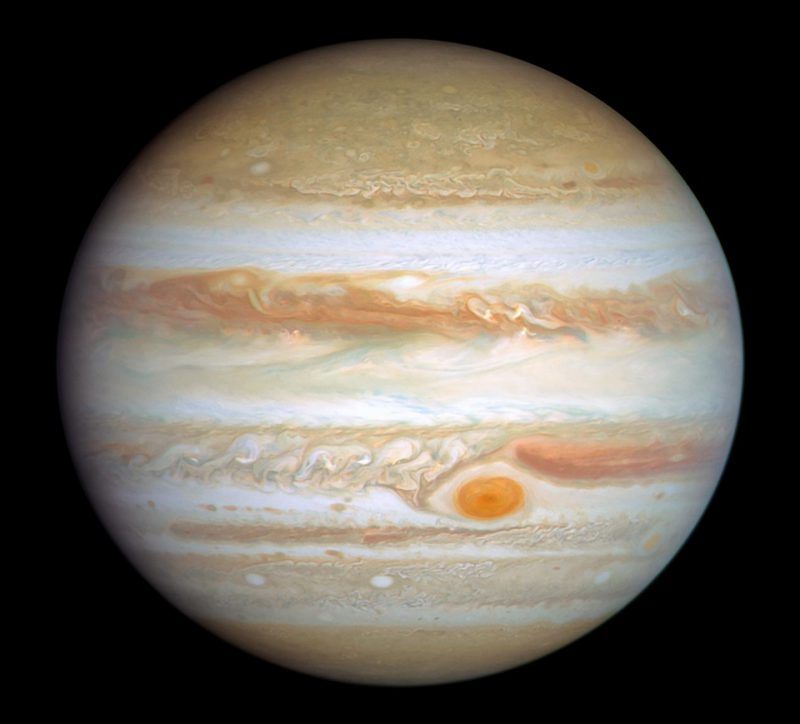 JupiterJupiter is the largest planet, a gas giant made mostly of hydrogen and helium, famous for its Great Red Spot …
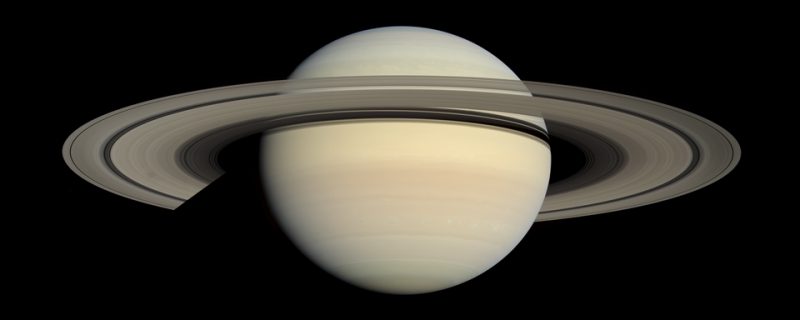 SaturnSaturn, the second-largest planet, is famous for its bright rings of ice and rock. Its average density is low…
 Uranus and NeptuneUranus and Neptune, the most distant planets, are called ice giants. Uranus is tipped almost on its side; Nep…
 Comets and asteroidsComets are lumps of ice and dust that grow glowing tails near the Sun; asteroids are small rocky or metallic …
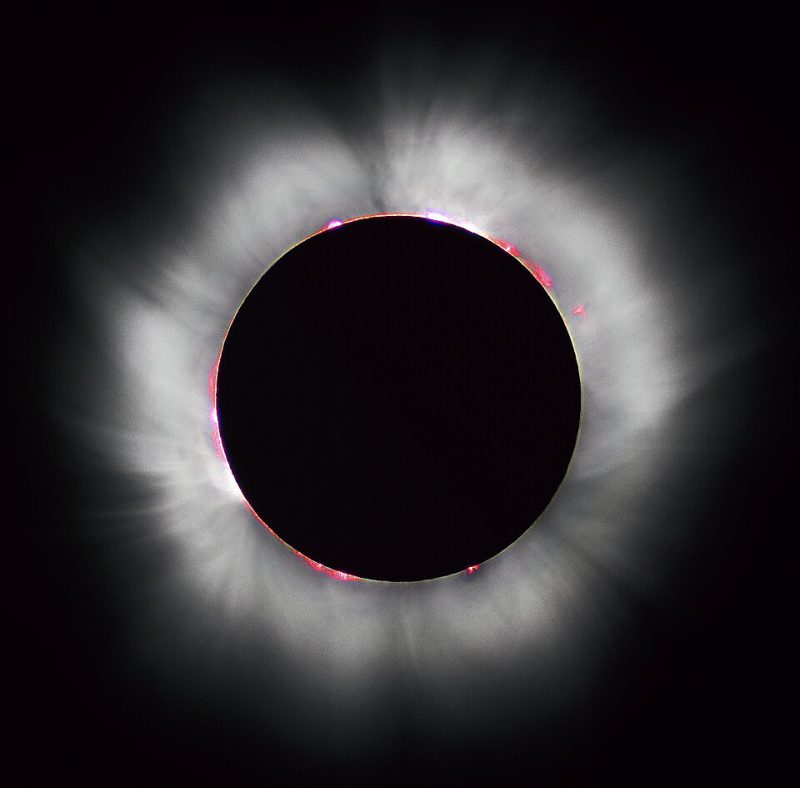 Solar and lunar eclipsesA solar eclipse happens when the Moon blocks the Sun; a lunar eclipse when the Moon enters Earth's shadow. Bo…
Stars & the cosmos 6
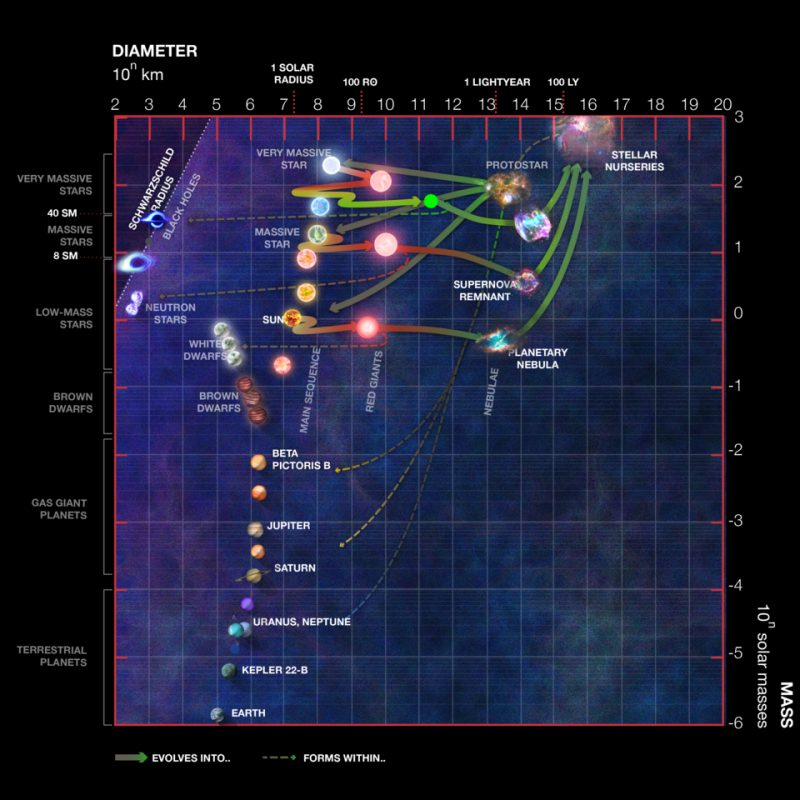 Life cycle of starsStars are born in nebulae, live by fusing hydrogen, and end as white dwarfs, neutron stars or black holes dep…
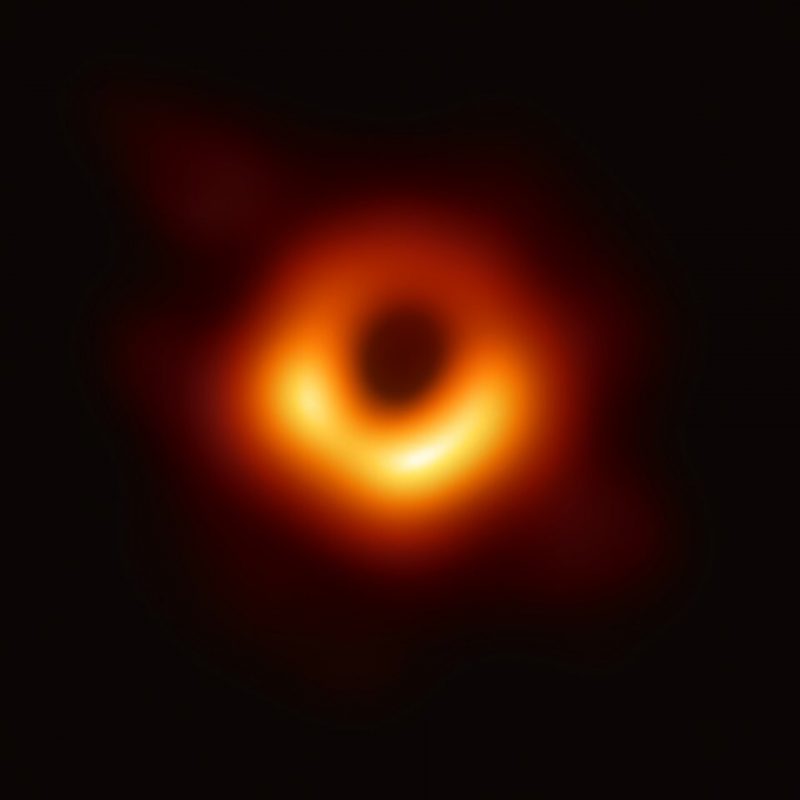 Black holesA black hole is a region where gravity is so strong that not even light can escape. They form when very massi…
 The Milky Way and galaxiesA galaxy is a huge system of stars, gas, dust and dark matter. The Solar System lies in the Milky Way, a spir…
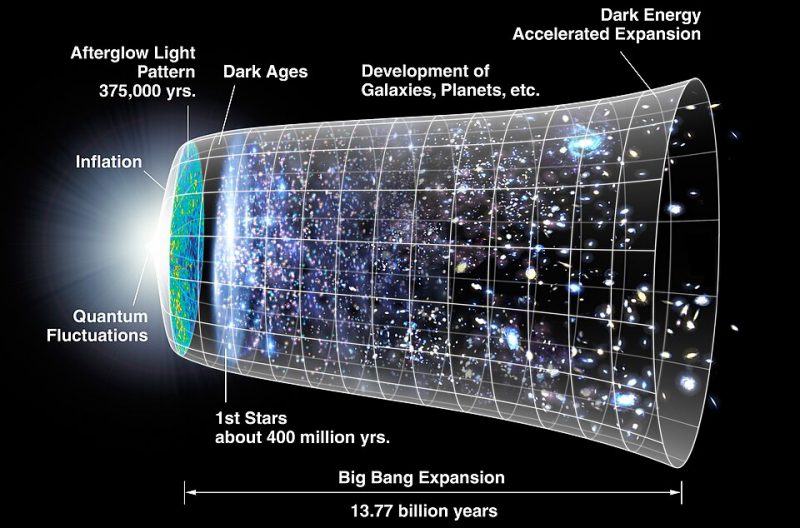 The Big BangThe Big Bang theory describes the universe beginning in an extremely hot, dense state about 13.8 billion year…
 ExoplanetsExoplanets are planets orbiting stars other than the Sun. Since the 1990s more than 5,000 have been confirmed.
 Space exploration and the James Webb telescopeFrom Sputnik in 1957 to today's James Webb Space Telescope, humanity has sent spacecraft, telescopes and astr…
Planet Earth 7
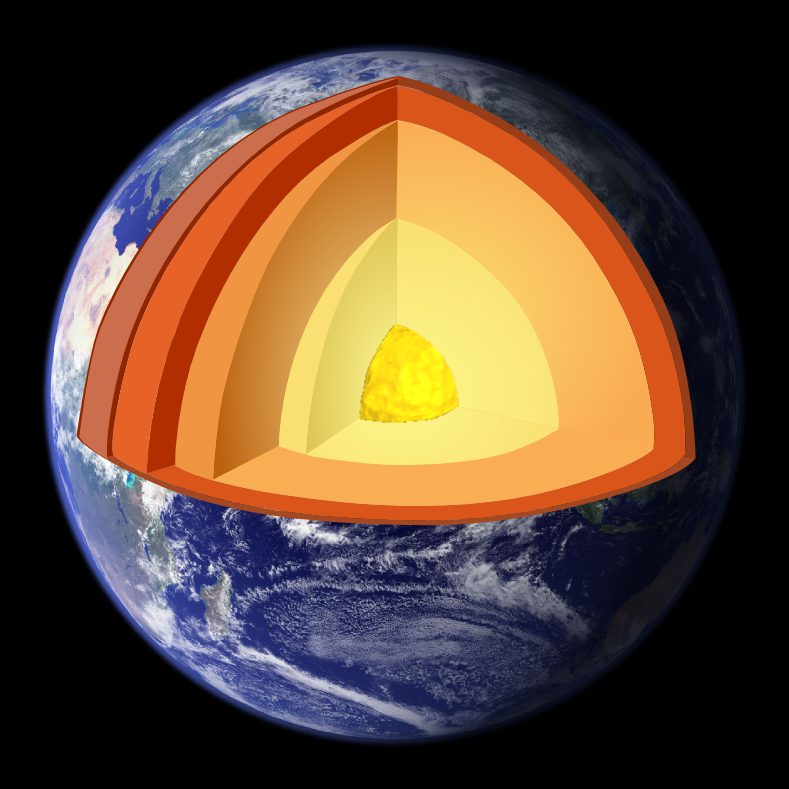 Earth's structureEarth is layered like an egg: a thin outer crust, a thick mantle and an iron-nickel core at the centre.
 Plate tectonicsPlate tectonics holds that Earth's rigid outer layer is split into large plates drifting slowly over the mant…
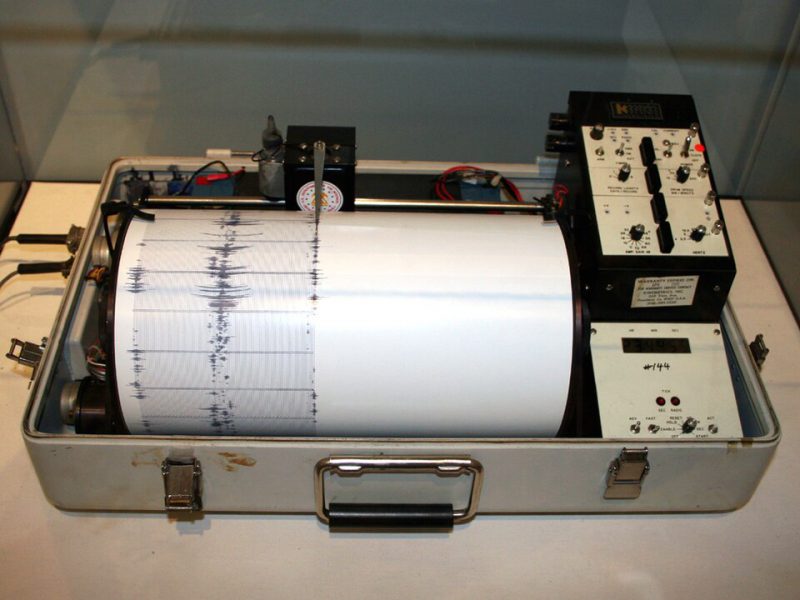 EarthquakesAn earthquake is the shaking of the ground when rock in Earth's crust suddenly breaks and slips, releasing en…
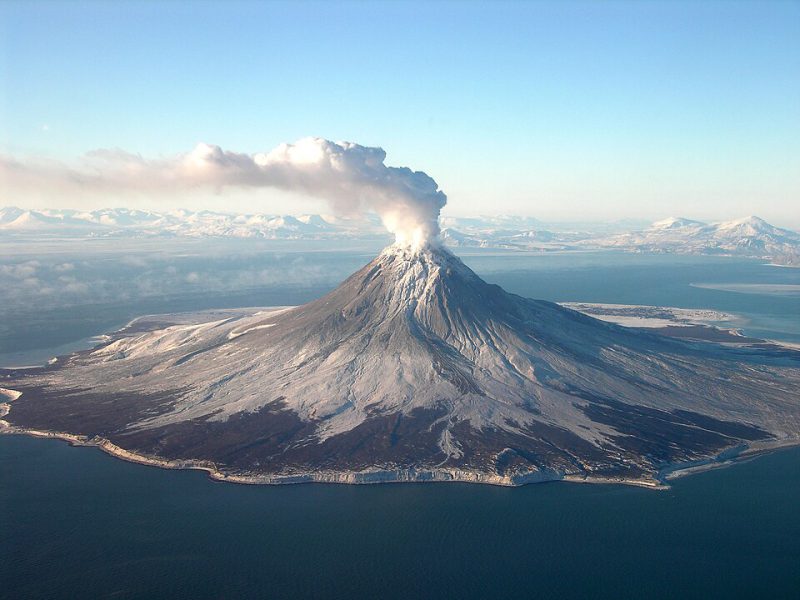 VolcanoesA volcano is where magma from inside Earth reaches the surface as lava, ash and gas. Volcanoes cause disaster…
 The water cycleThe water cycle is the continuous movement of water between oceans, air and land through evaporation, condens…
 Greenhouse effect and climate changeThe greenhouse effect keeps Earth warm enough for life. But since industrialisation, humans have added large …
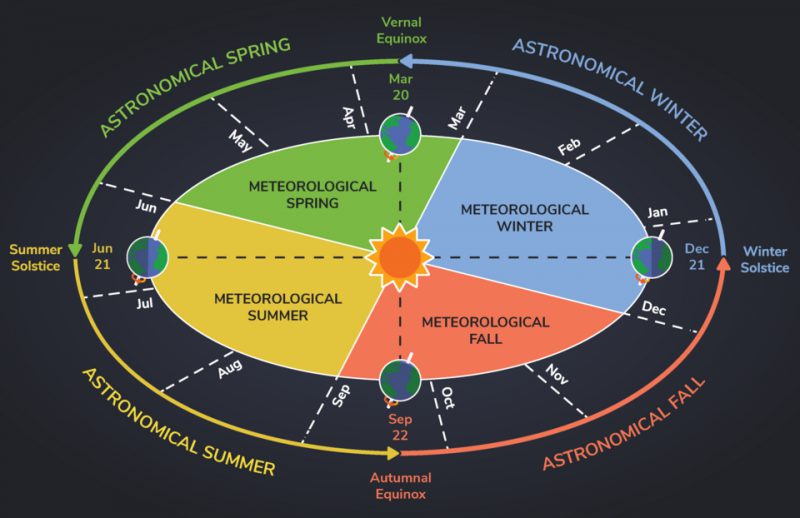 Seasons and weatherSeasons occur because Earth's axis is tilted as it orbits the Sun. Daily weather is shaped by air pressure, w…