
Tanro Encyclopedia
The world of dinosaurs
Famous dinosaurs, marine and flying reptiles, the Triassic, Jurassic and Cretaceous, fossils and extinction.
Dinosaurs 22
 TyrannosaurusTyrannosaurus rex, or "T. rex", was one of the largest meat-eating dinosaurs ever to walk on land. It lived i…
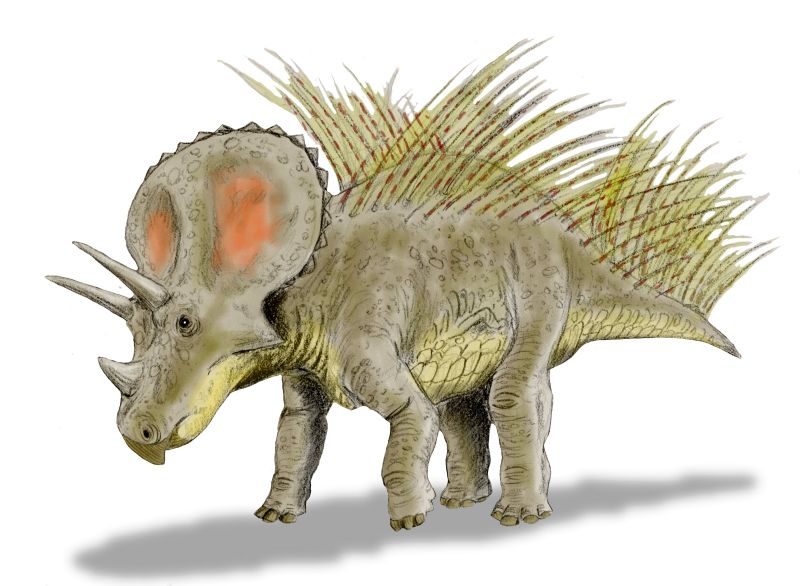 TriceratopsTriceratops was a plant-eating dinosaur with three horns and a large bony frill behind its head. It lived alo…
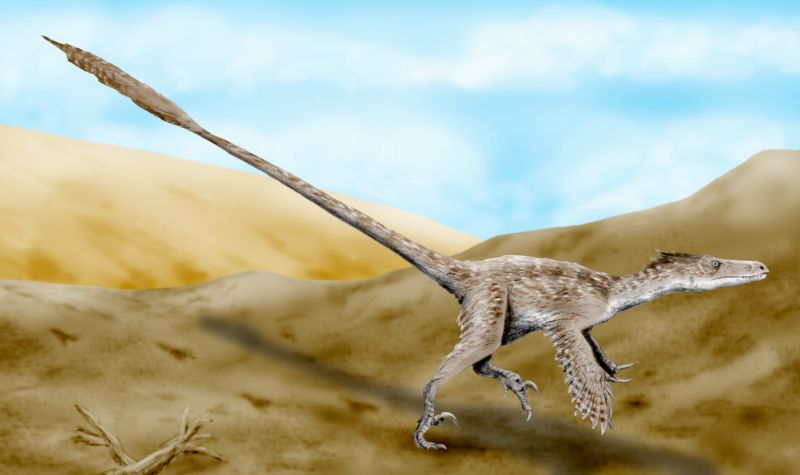 VelociraptorVelociraptor was a small, feathered meat-eater about the size of a turkey, with a sickle-shaped claw on each …
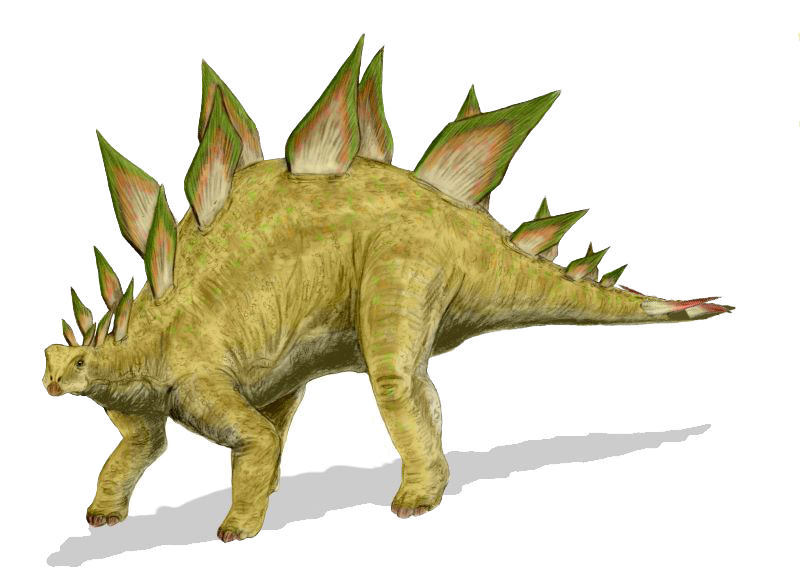 StegosaurusStegosaurus was a plant-eater famous for the two rows of bony plates on its back and four spikes on its tail.…
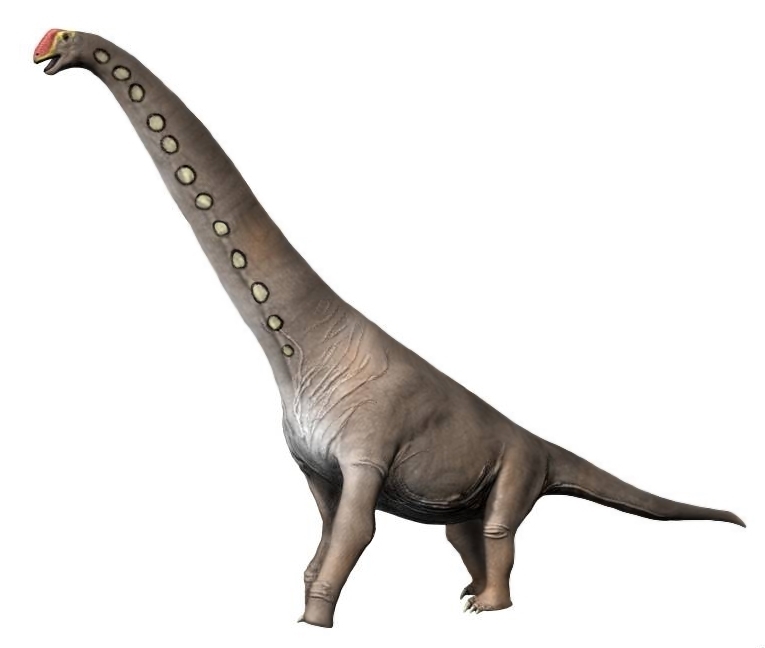 BrachiosaurusBrachiosaurus was a giant long-necked dinosaur whose front legs were longer than its back legs, giving it a g…
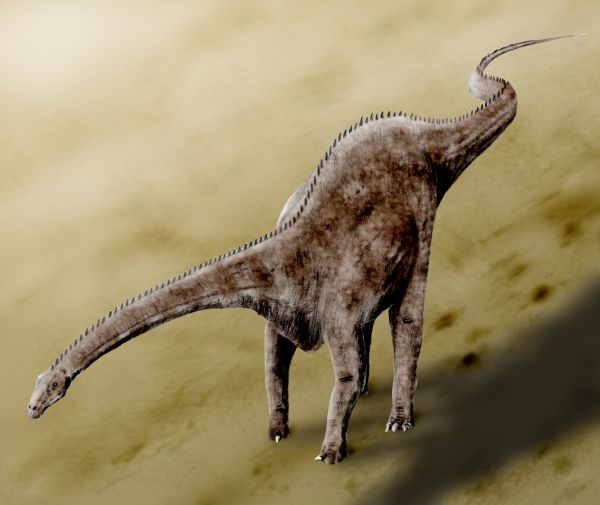 DiplodocusDiplodocus was a long-necked dinosaur with a whip-like tail, one of the longest land animals known. It lived …
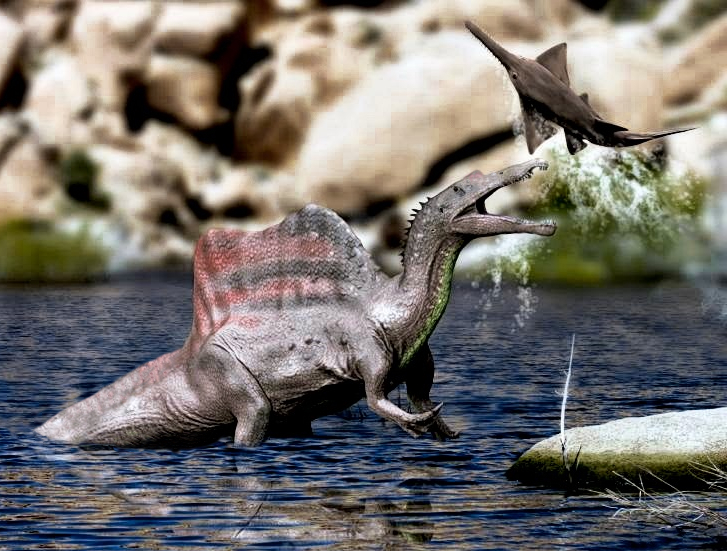 SpinosaurusSpinosaurus was a sail-backed, crocodile-snouted meat-eater that specialised in fish. It may have been longer…
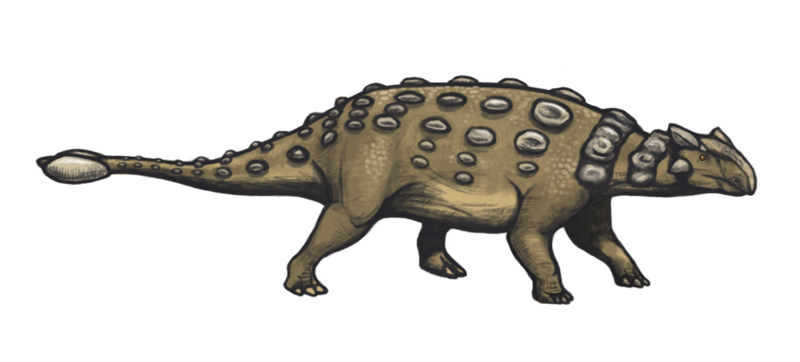 AnkylosaurusAnkylosaurus was a plant-eater covered in bony armour, with a heavy club at the end of its tail, a living tan…
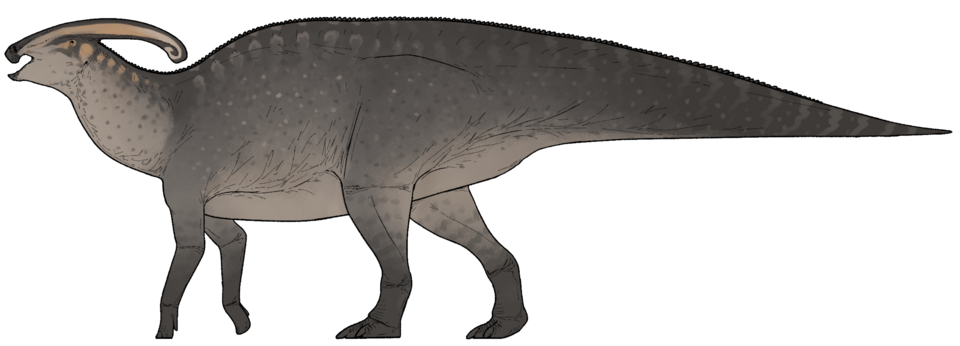 ParasaurolophusParasaurolophus was a duck-billed dinosaur with a long, hollow crest curving back from its head, which may ha…
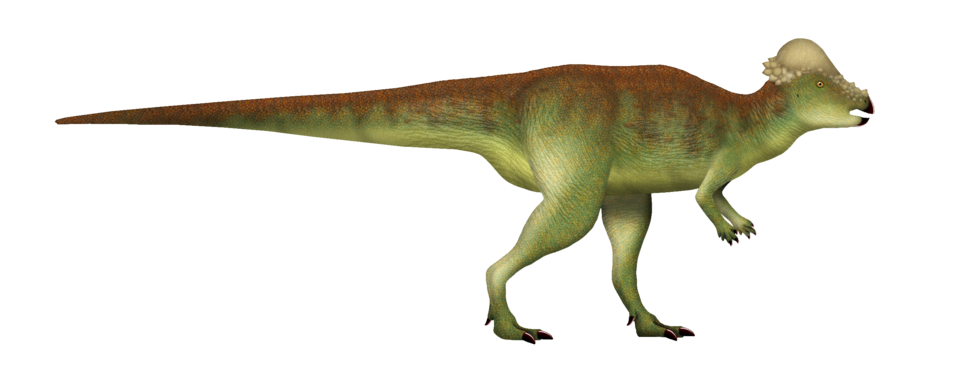 PachycephalosaurusPachycephalosaurus was a two-legged dinosaur with a thick, helmet-like dome on its head ringed by knobs and s…
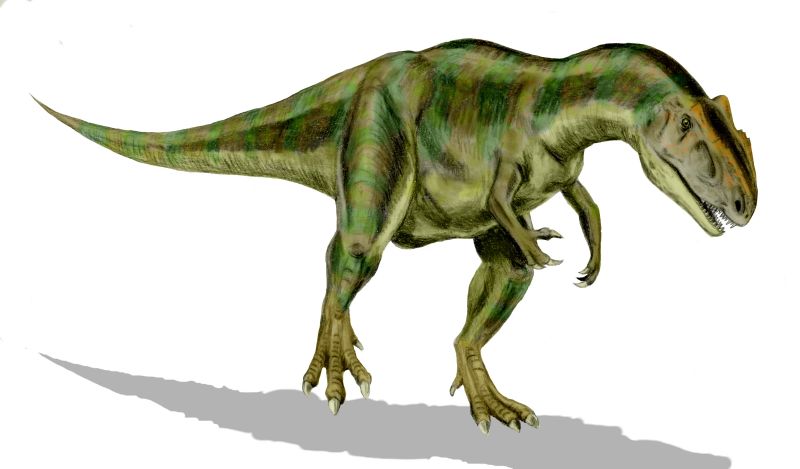 AllosaurusAllosaurus was the most common large predator of the Late Jurassic, living some 80 million years before T. re…
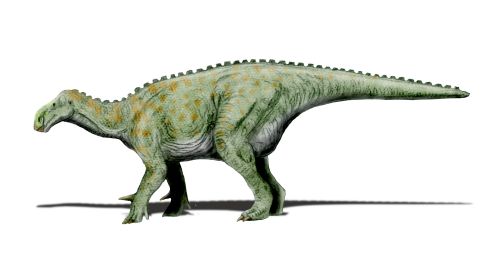 IguanodonIguanodon was a plant-eater with a spiky thumb that lived in Early Cretaceous Europe. It was one of the very …
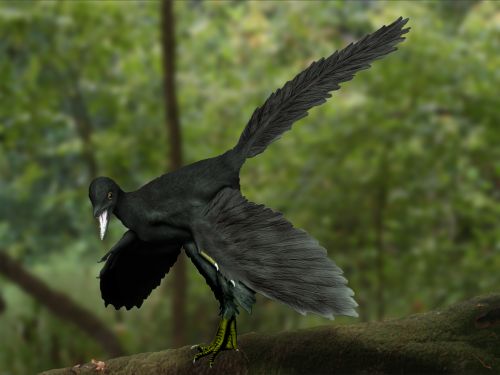 ArchaeopteryxArchaeopteryx was a part-bird, part-dinosaur animal from the Late Jurassic, with feathers and wings like a bi…
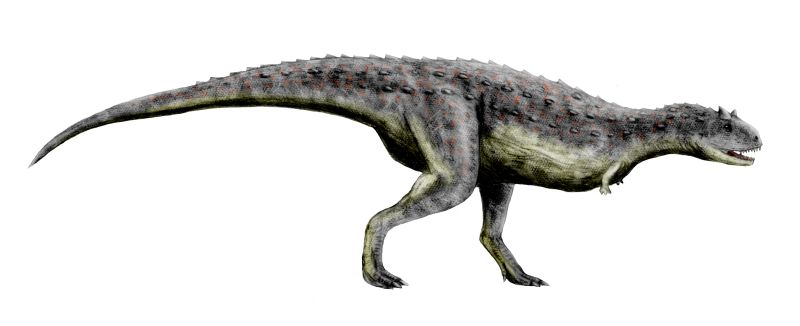 CarnotaurusCarnotaurus was a South American predator with two short, bull-like horns above its eyes and tiny arms. It is…
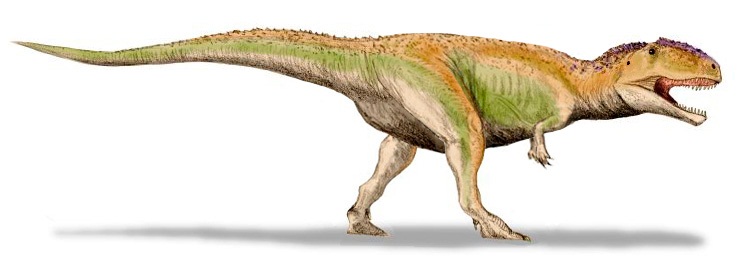 GiganotosaurusGiganotosaurus was one of the largest meat-eating dinosaurs ever found, as long as or longer than T. rex. It …
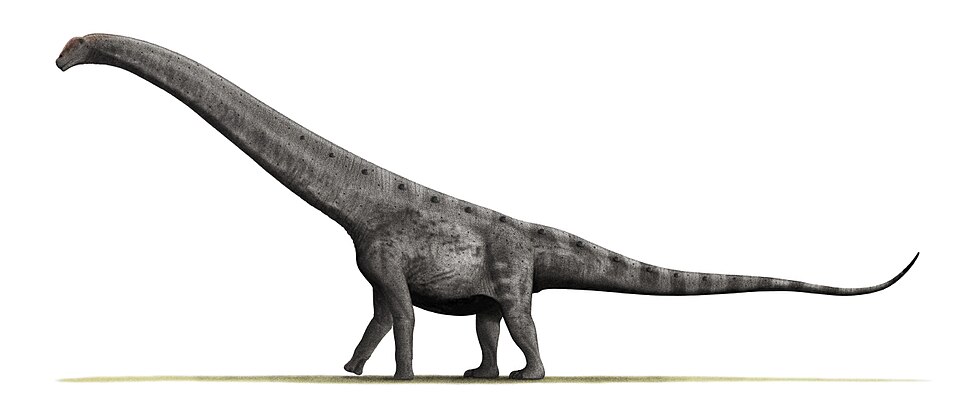 ArgentinosaurusArgentinosaurus was one of the biggest land animals that ever lived, weighing around 70 tonnes, more than a d…
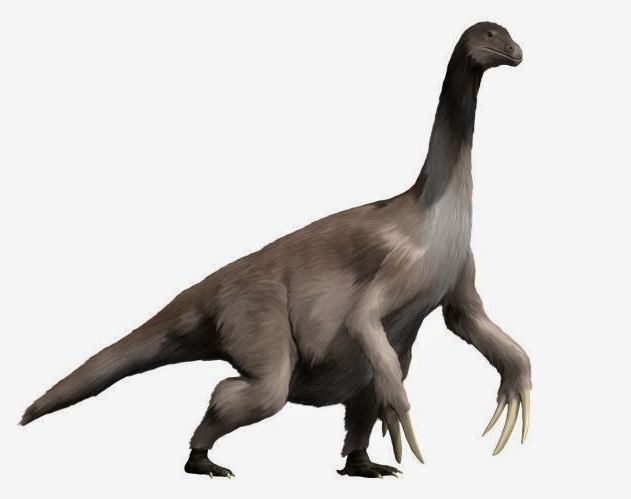 TherizinosaurusTherizinosaurus had the longest hand claws of any known animal, yet it probably ate mostly plants. It belonge…
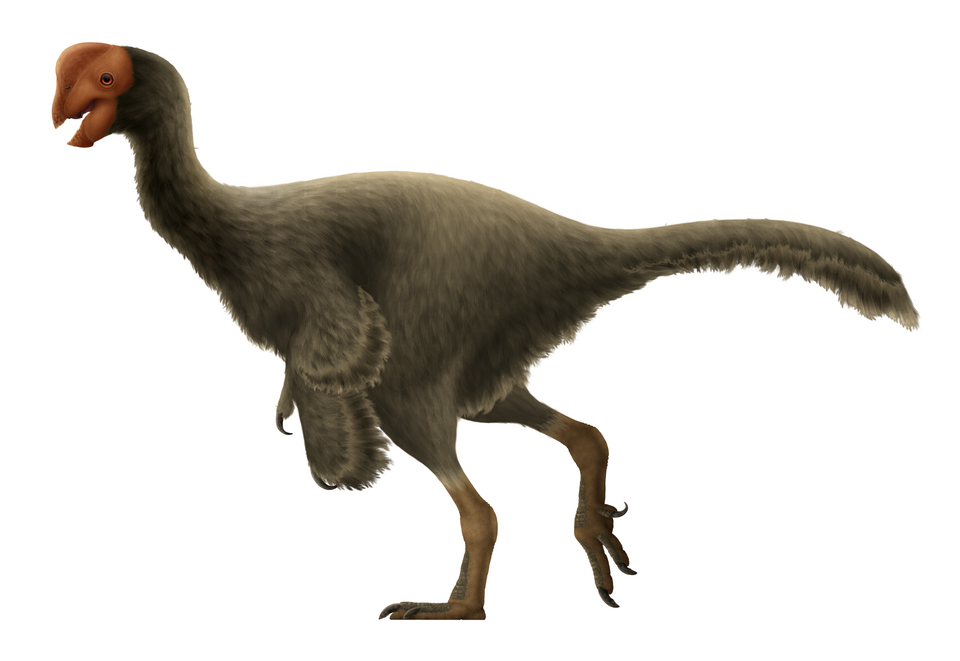 OviraptorOviraptor was a small, feathered dinosaur with a toothless beak. Its name means "egg thief" because of a misu…
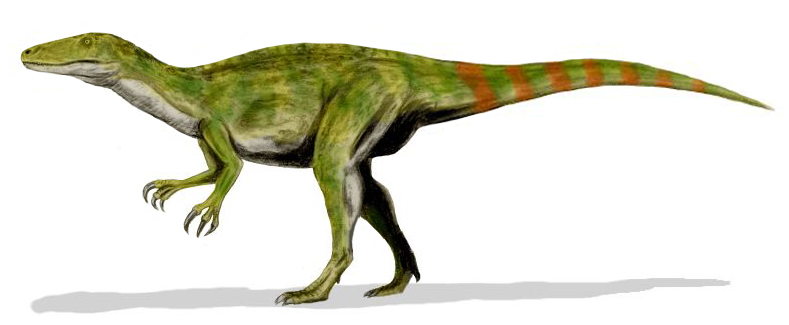 FukuiraptorFukuiraptor was a meat-eating dinosaur from Fukui Prefecture, Japan, that lived in the Early Cretaceous. It w…
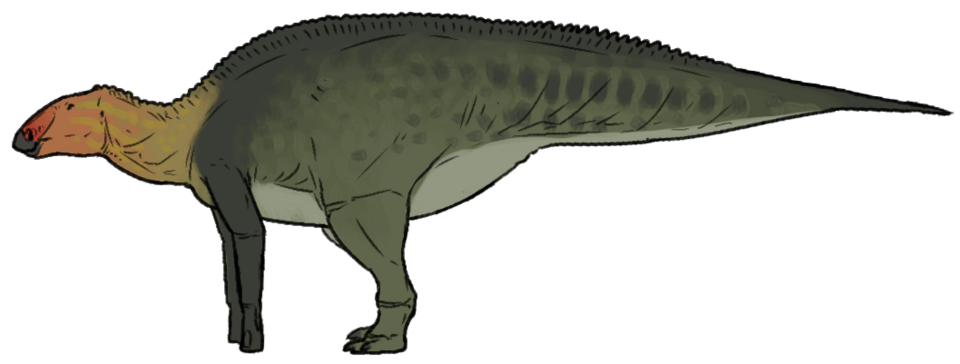 KamuysaurusKamuysaurus, nicknamed "Mukawaryu", is a duck-billed dinosaur found in Hokkaido. It is the most complete dino…
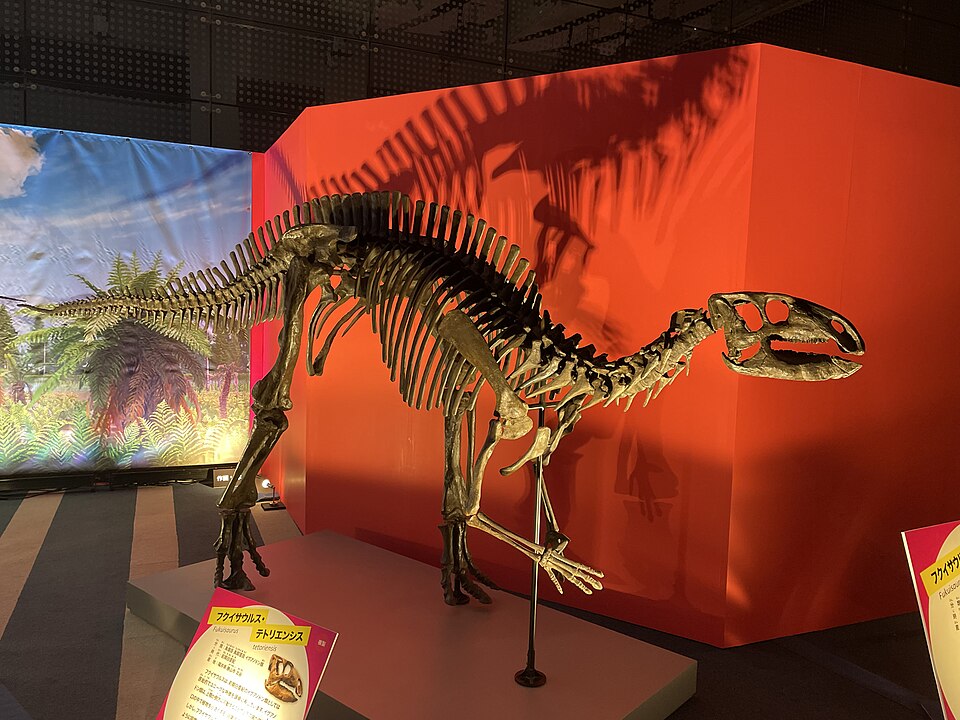 FukuisaurusFukuisaurus was an iguanodont plant-eater from Fukui Prefecture, Japan, living in the same place and time as …
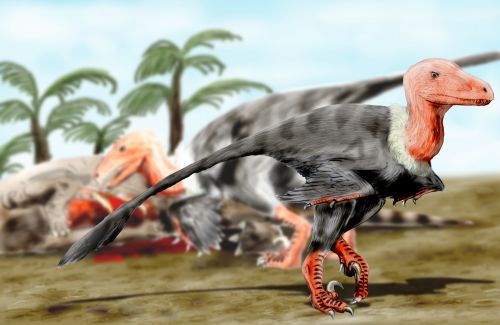 DeinonychusDeinonychus was a mid-sized predator with a large sickle claw, a relative of Velociraptor. Its discovery chan…
Marine & flying reptiles 6
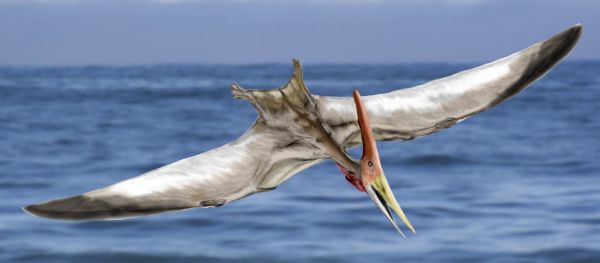 PteranodonPteranodon was a large pterosaur with a long head crest and a toothless beak that soared over North America's…
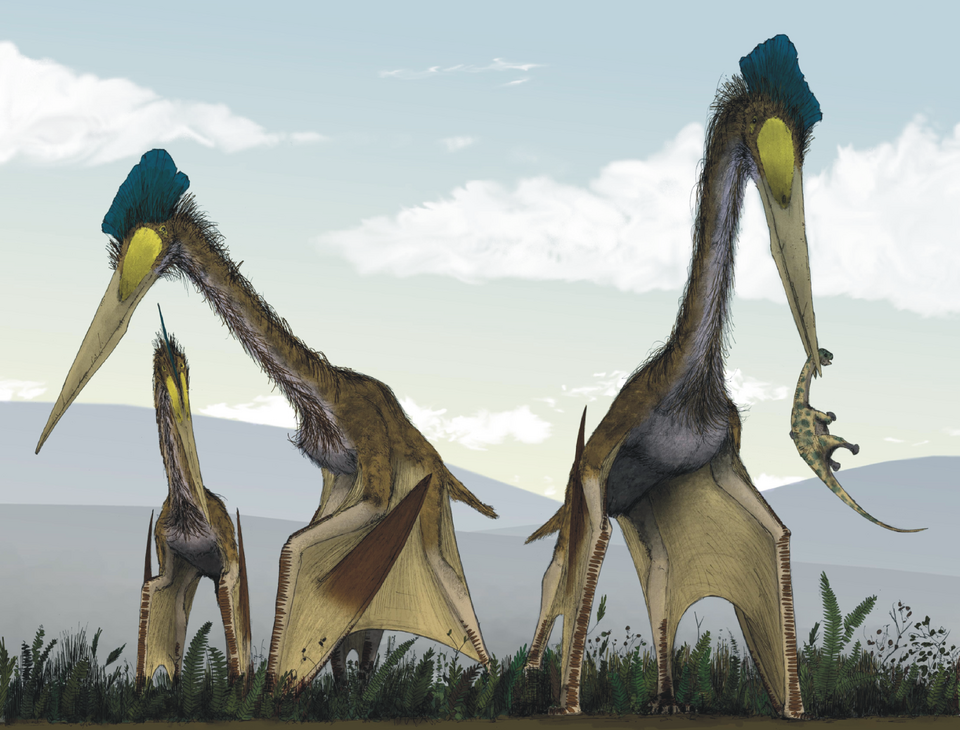 QuetzalcoatlusQuetzalcoatlus was one of the largest flying animals ever, with a wingspan of about 10–11 m, like a small pla…
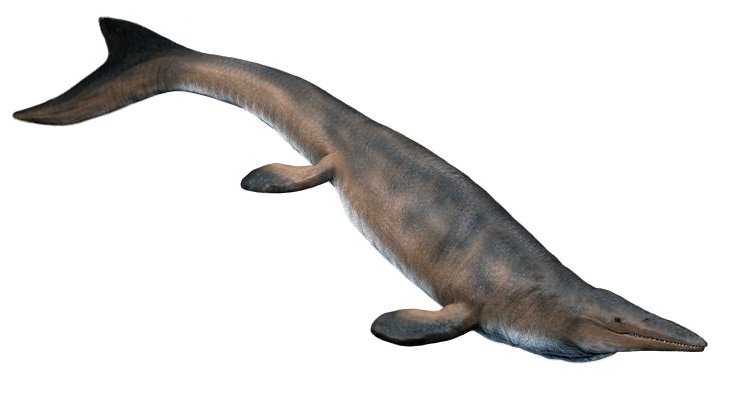 MosasaurusMosasaurus was a giant marine reptile and top ocean predator at the end of the Cretaceous. It was not a dinos…
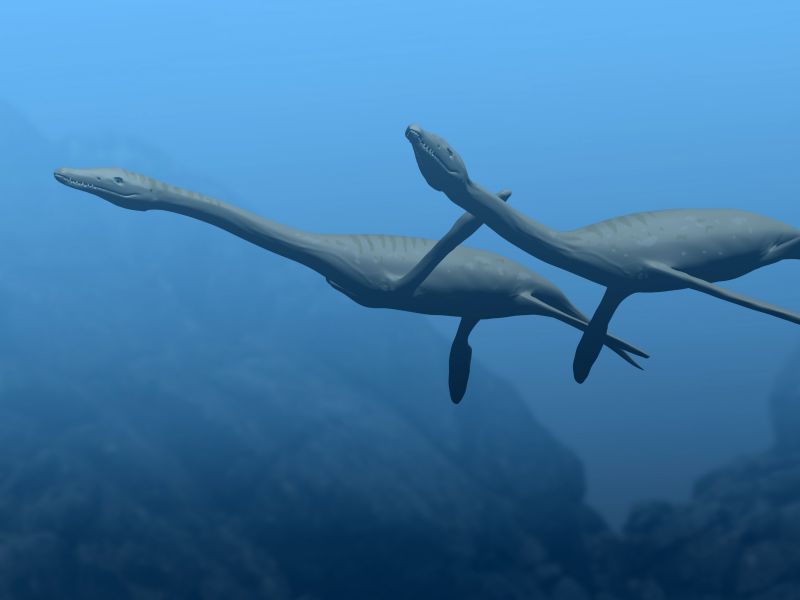 PlesiosaurusPlesiosaurus was a long-necked marine reptile that swam with four large paddles in the Early Jurassic. It giv…
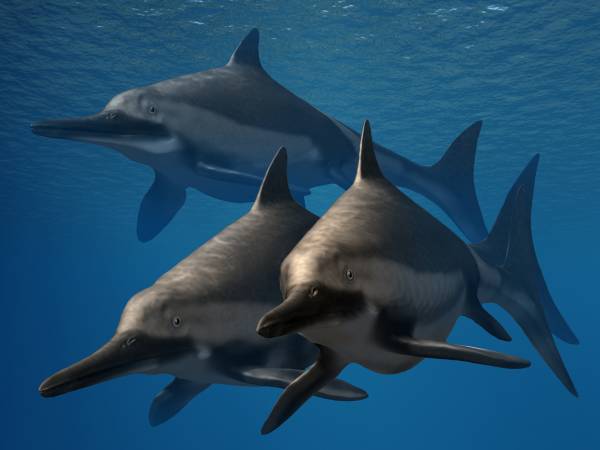 IchthyosaurusIchthyosaurus was a dolphin-shaped marine reptile of the Early Jurassic. It gave birth in the water and belon…
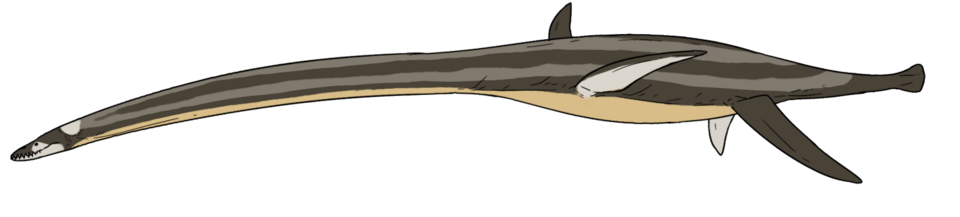 FutabasaurusFutabasaurus suzukii, popularly "Futabasuzukiryu", is a plesiosaur from Fukushima Prefecture. Found by a high…
Eras & science 7
 TriassicThe Triassic (about 252–201 million years ago) was the first period of the Mesozoic Era. The first dinosaurs,…
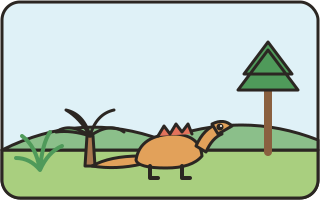 JurassicThe Jurassic (about 201–145 million years ago) was when giant dinosaurs ruled the land. The first birds, such…
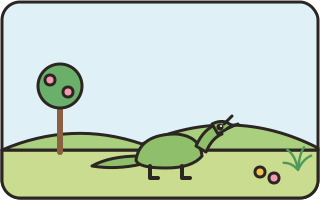 CretaceousThe Cretaceous (about 145–66 million years ago) was the last and longest period of the age of dinosaurs. It e…
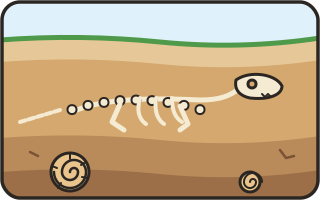 FossilFossils are the preserved remains or traces of ancient life in rock, such as bones, teeth, shells, footprints…
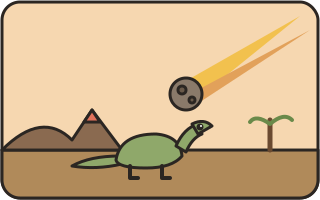 Cretaceous–Paleogene extinctionAbout 66 million years ago an asteroid roughly 10 km wide struck Mexico's Yucatán Peninsula, triggering a mas…
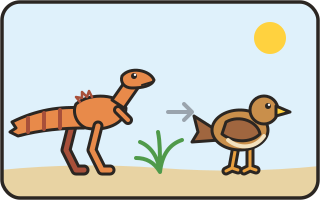 Dinosaurs and birdsModern science shows that birds are direct descendants of theropod dinosaurs, so birds are, in effect, living…
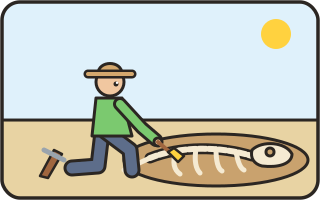 PalaeontologyPalaeontology is the science of prehistoric life, studied through fossils. Palaeontologists work out what din…