
Tanro Encyclopedia
Chemistry
Atoms, the periodic table, bonds, reactions, acids and bases, organic chemistry and chemistry in daily life.
Atoms & bonds 7
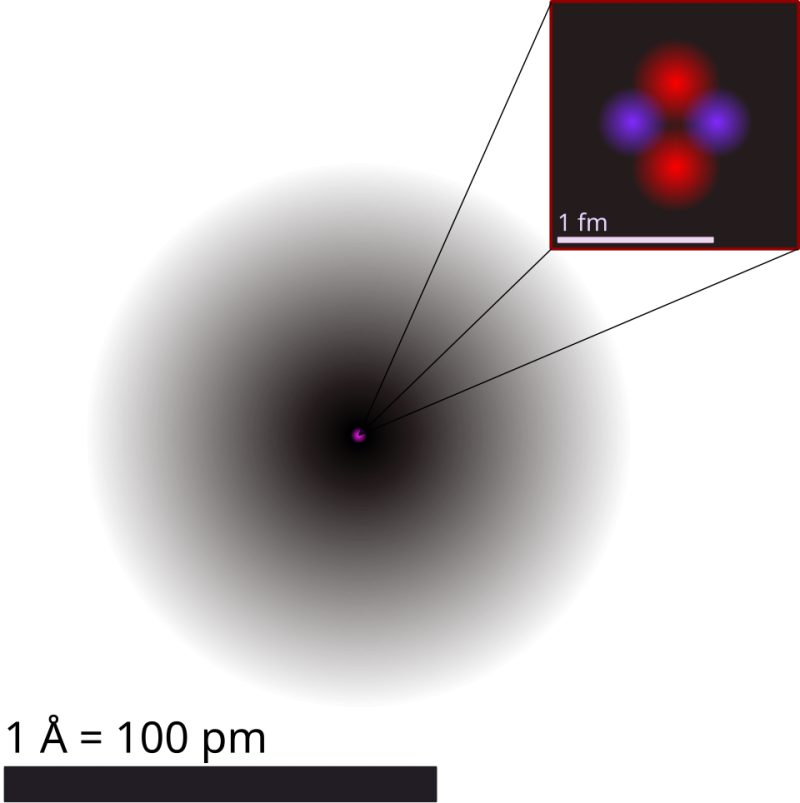 AtomAn atom is the smallest unit of a chemical element, made of a nucleus of protons and neutrons with electrons …
 Periodic tableThe periodic table arranges the chemical elements by increasing atomic number so that elements with similar p…
 Chemical elementA chemical element is a type of atom defined by its number of protons. 118 elements are known today, about 90…
 Chemical bondA chemical bond is the force holding atoms together. The three main types are ionic, covalent and metallic bo…
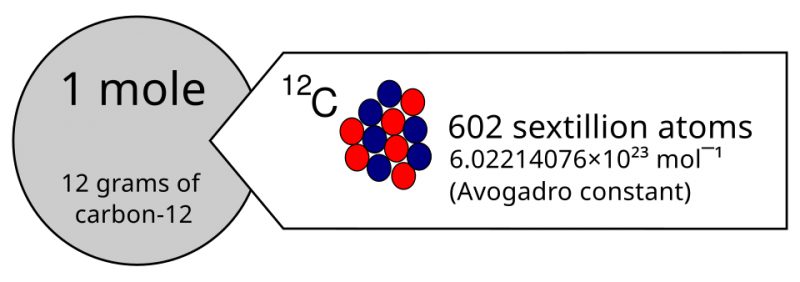 Mole and Avogadro constantThe mole is the unit for amount of substance. One mole contains about 6.022 × 10^23 particles, letting chemis…
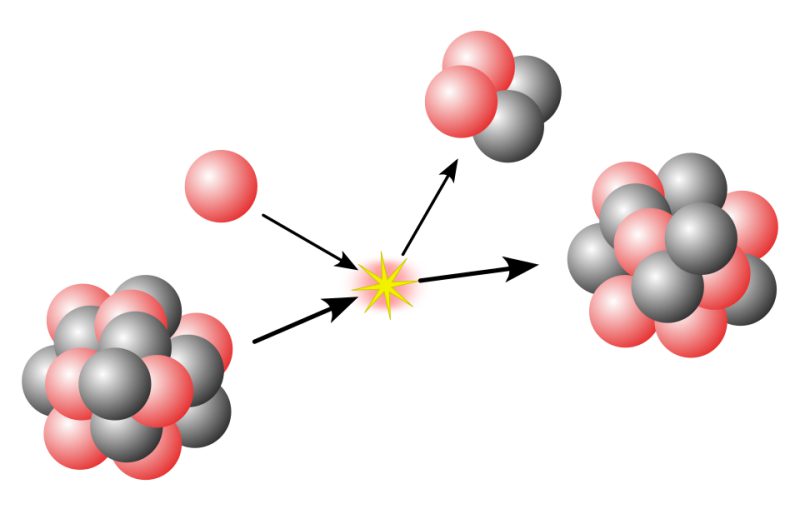 IsotopeIsotopes are atoms of the same element with the same number of protons but different numbers of neutrons, and…
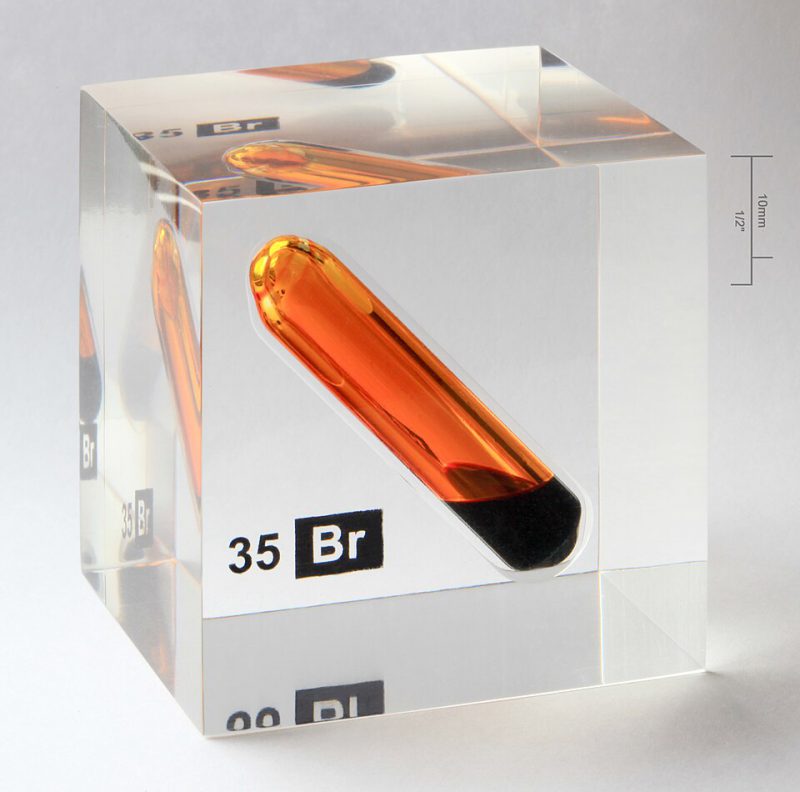 States of matterMatter commonly exists as solid, liquid or gas. Changing temperature or pressure can turn one state into anot…
Reactions & substances 7
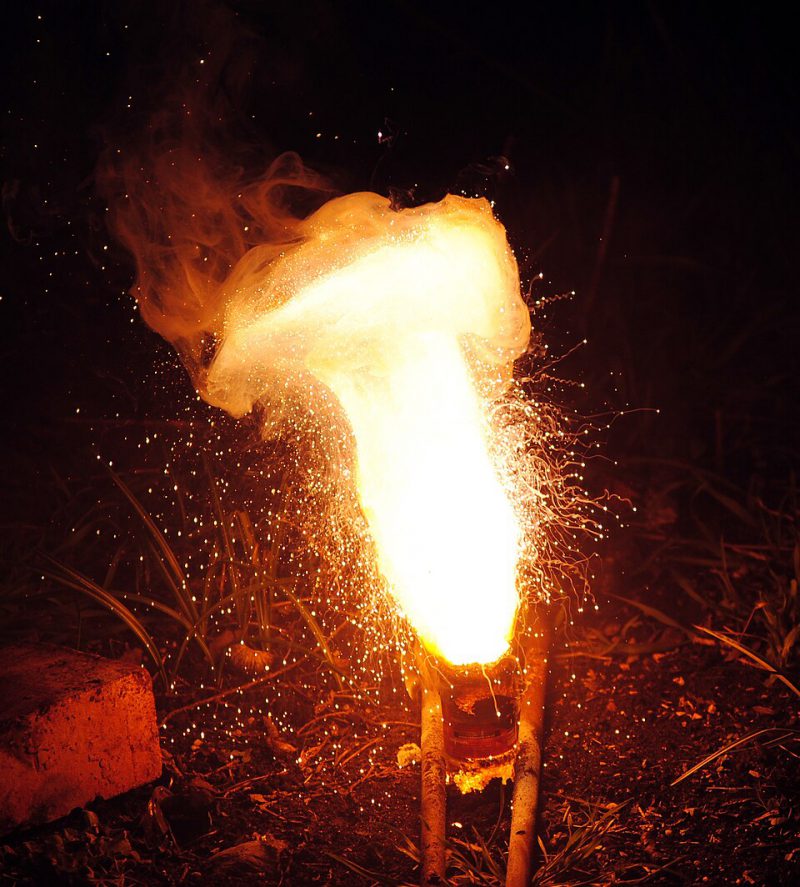 Chemical reactionA chemical reaction is a process in which starting substances turn into new substances with different propert…
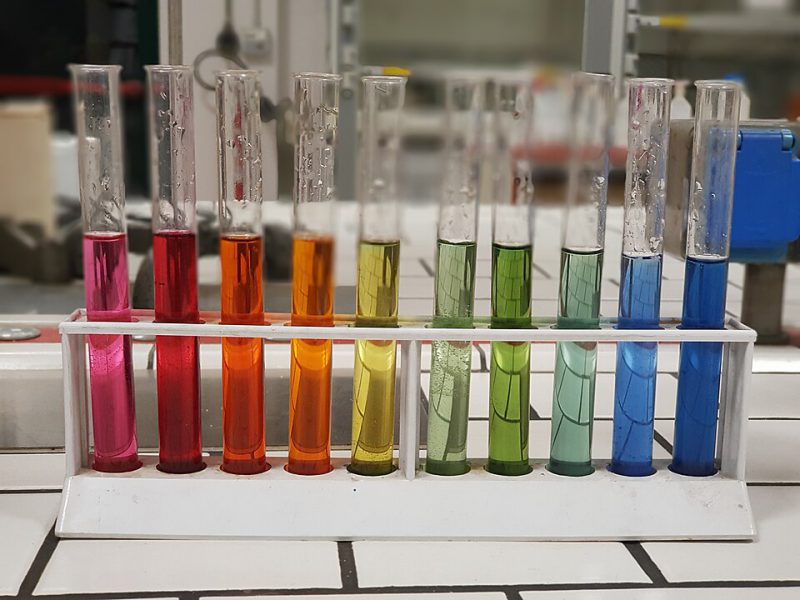 Acids, bases and pHAcids taste sour and turn litmus red; bases turn it blue. The pH scale from 0 to 14 shows whether a solution …
 Redox reactionA redox reaction involves electron transfer: the reducing agent gives up electrons and the oxidizing agent ac…
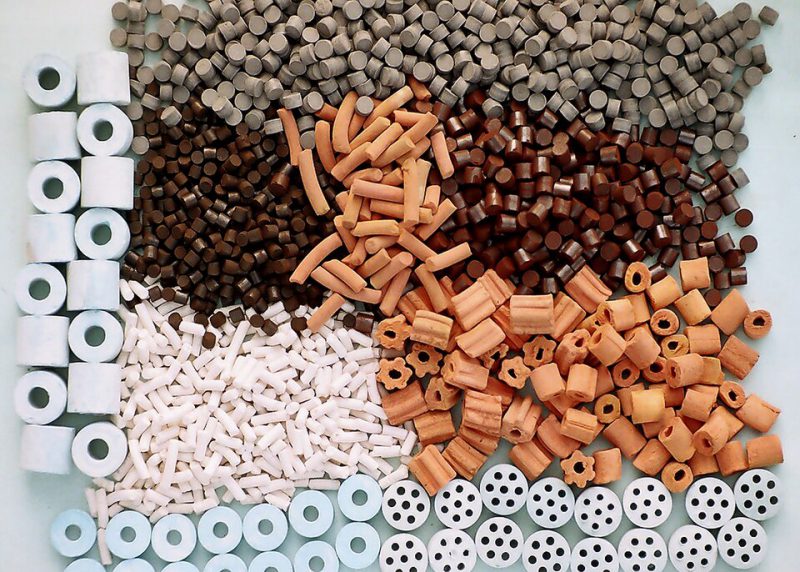 CatalystA catalyst speeds up a reaction without being used up, by opening a pathway that needs less energy.
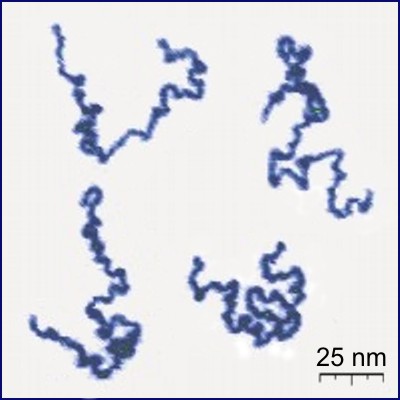 PolymerPolymers are very large molecules made of many small repeating units (monomers) linked like beads on a string…
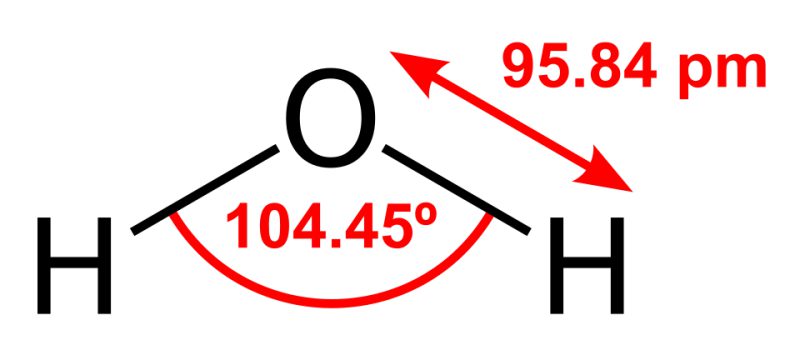 Water in chemistryWater (H2O) has two hydrogen atoms and one oxygen atom. Its polarity and hydrogen bonds give it unusual prope…
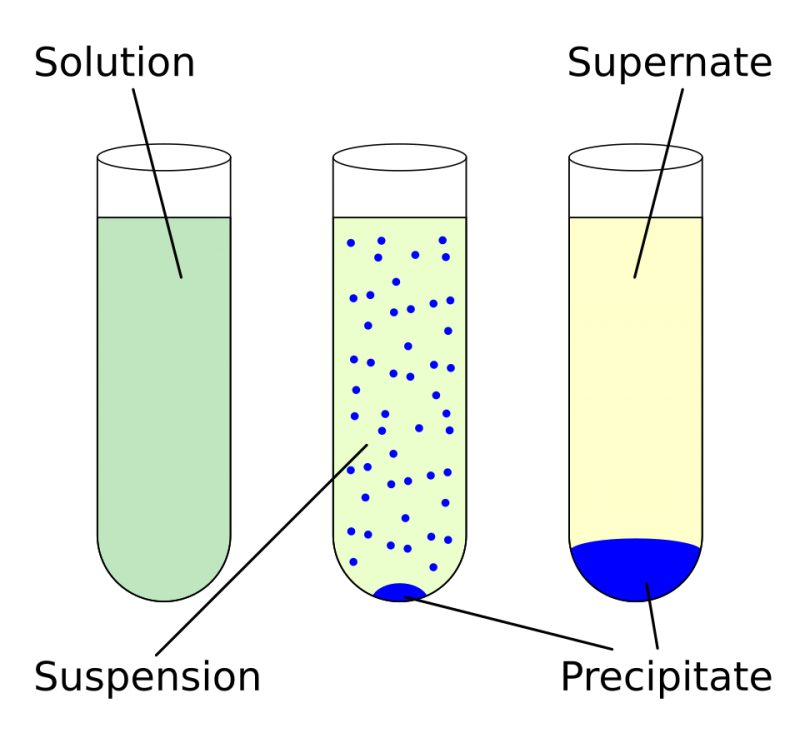 Solutions and solubilityA solution is a uniform mixture of solute and solvent. Solubility is the maximum amount that can dissolve and…
Chemistry in daily life 6
 Plastics and recyclingPlastics are light, durable, cheap synthetic polymers found everywhere. Because they break down slowly, they …
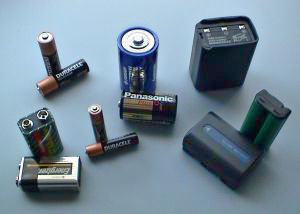 BatteriesA battery turns chemical energy into electricity through redox reactions. Rechargeable batteries can be charg…
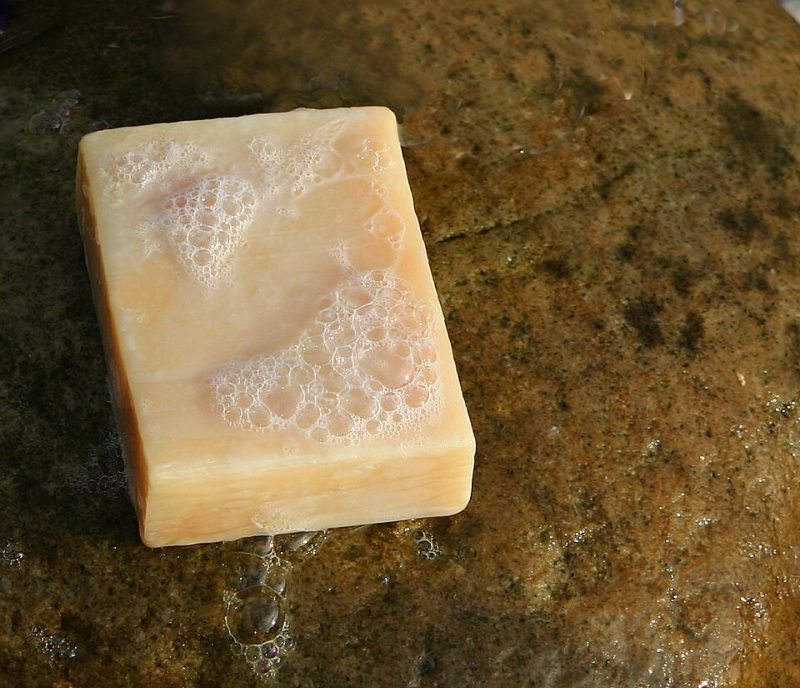 Soaps and detergentsSoap and detergent molecules have a water-loving head and an oil-loving tail, letting them pull greasy dirt o…
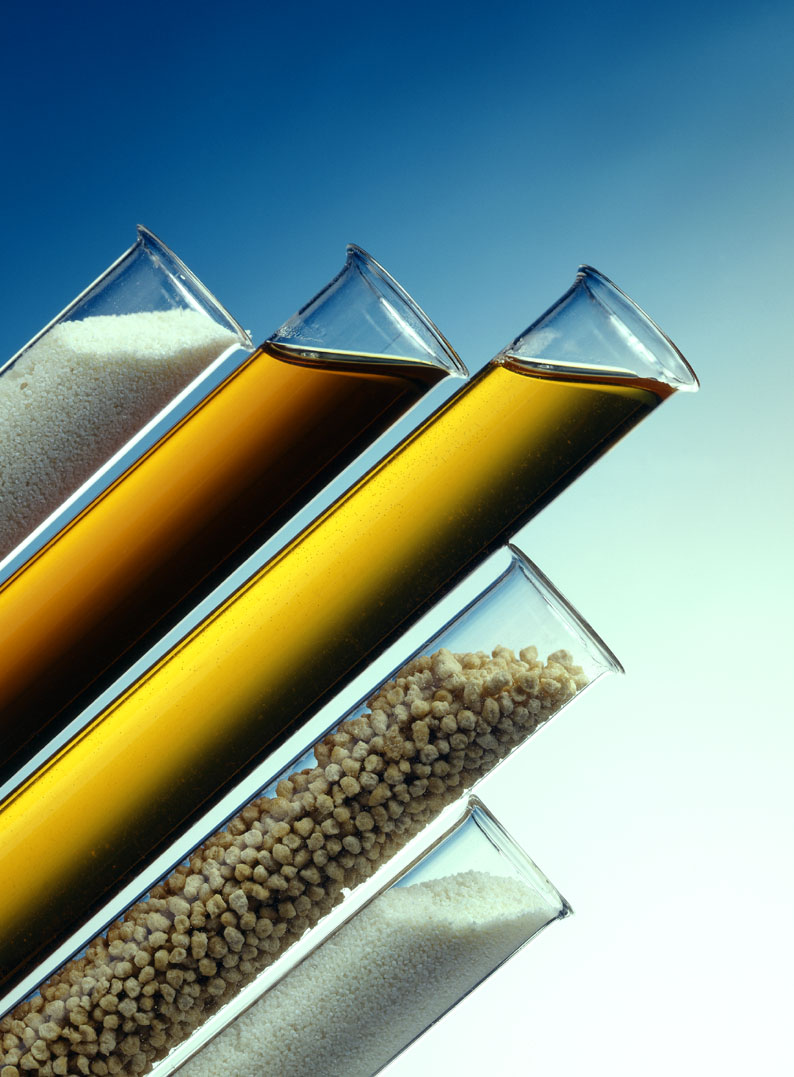 Food additivesFood additives are substances added to food to preserve it or to improve colour, flavour or texture. They are…
 Chemical fertilizersFertilizers supply plant nutrients, chiefly nitrogen (N), phosphorus (P) and potassium (K). Chemical fertiliz…
 Chemistry in cookingCooking is a series of chemical reactions: proteins denature, sugar caramelizes, the Maillard reaction create…